Crawl space encapsulation cost
Crawl space encapsulation cost: practical numbers, costs, and trade-offs, written independently.
Crawl space encapsulation cost: practical numbers, costs, and trade-offs, written independently. The guide below shows the numbers and the trade-offs.
- Typical range
- Varies by system and site
- First step
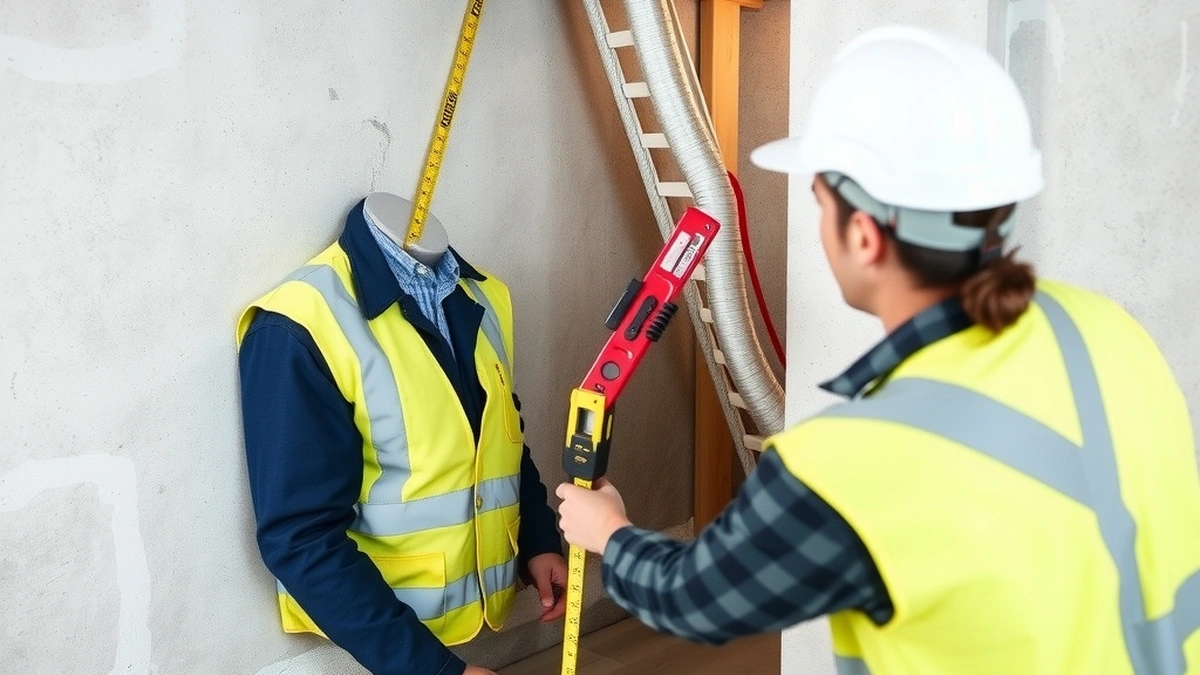
- Measure the space and confirm the load
- Professional help
- Recommended for structural or electrical work
Some links on this page are affiliate links.If you buy through them we may earn a commission at no extra cost to you. We do not accept payment for rankings. Read the full disclosure.
Crawl space encapsulation costs $3 to $8 per square foot installed, so most homes land between $4,000 and $15,000 for the complete job. A 1,200-square-foot crawl space at that rate runs $3,600 to $9,600 before mold treatment, drainage work, or any structural repair is added. The per-foot figure is simple. What sits inside the range is where two quotes for the same house can differ by several thousand dollars.
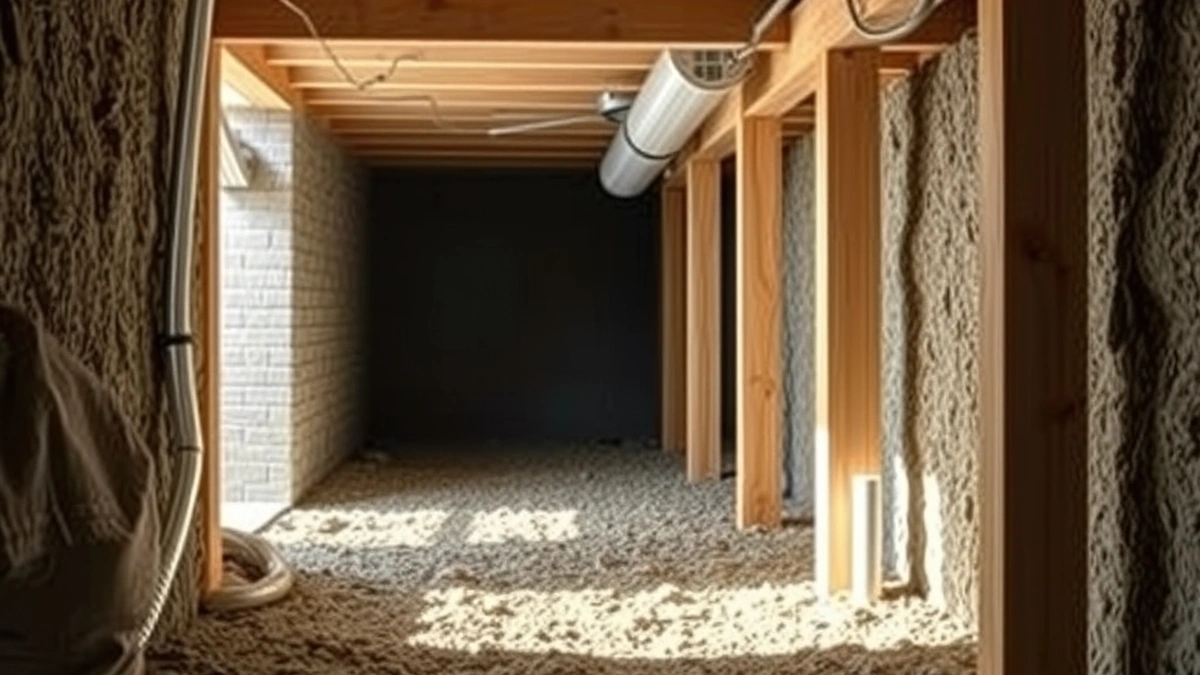
Encapsulation is the process of sealing a crawl space floor and walls with a reinforced liner, closing the foundation vents, and controlling humidity so the space stops exchanging air with the soil and the outdoors.
How the Square-Foot Price Is Built
The rate covers four things: the liner itself, the labor to clear and grade the floor, the sealing details at piers, plumbing, and duct penetrations, and the vent and rim-joist work that turns a vented crawl space into a sealed one. A 6-mil utility liner and a 20-mil reinforced liner with welded seams are not the same product, and the price difference lands in the material line.
Take a 1,200-square-foot floor. At the bottom of the range, 1,200 × $3 = $3,600. At the top, 1,200 × $8 = $9,600. The same arithmetic on 1,500 square feet gives $4,500 to $12,000. At 2,000 square feet the raw multiplication gives $6,000 to $16,000, but the top of that figure runs past the $15,000 that most complete residential jobs reach, so the effective rate compresses: $15,000 ÷ 2,000 = $7.50 per square foot. Larger floors do not scale linearly, because the crew’s setup, travel, and equipment costs are spread across more area.
The Numbers Most Quotes Share
- $3 to $8 per square foot installed, covering liner, sealing, and vent closure.
- $4,000 to $15,000 for a complete residential encapsulation.
- $400 to $1,500 for an engineer inspection when structural repair is part of the scope.
- 1 to 2 weeks of lead time to get an engineer on site.
- 1 to 3 weeks for permit processing, depending on the city or county.
- $5 to $15 per square foot for polyurethane foam if a settled slab is being lifted on the same visit.
- 2 inches of wall movement, the usual point where encapsulation alone stops being the answer.
- Roughly 33 percent of a foundation failed, the threshold where replacement starts being discussed instead of repair.
Those are planning numbers, not a bid, and they assume reasonable access with no structural work included.
Full Encapsulation vs a Vapor Barrier
A vapor barrier is a liner on the floor. Encapsulation is a liner on the floor and walls, sealed at the top, with the vents closed and the humidity managed. The two are often quoted under the same heading, which is why the square-foot price can look inconsistent between contractors.
| Item | Vapor barrier only | Full encapsulation |
|---|---|---|
| Floor liner | 6 to 10 mil polyethylene | 12 to 20 mil reinforced |
| Wall coverage | Floor and lower stem wall | Floor, stem wall, piers |
| Vents | Left open | Sealed |
| Rim joist | Usually untouched | Insulated and sealed |
| Dehumidifier | Optional | Usually specified |
| Position in the $3–$8 range | Lower half | Upper half |
| 1,200 sq ft example | $3,600 to $6,000 | $7,200 to $9,600 |
Those 1,200-square-foot figures are arithmetic, not quotes: 1,200 × $3 = $3,600, 1,200 × $5 = $6,000, 1,200 × $6 = $7,200, and 1,200 × $8 = $9,600. A contractor who quotes the low half of the range and then lists a dehumidifier, sump liner, and insulation as add-ons has quoted a vapor barrier at an encapsulation price.
What Moves the Price Up or Down
Clear height under the joists is the biggest physical variable. A crawl space with 18 inches of clearance forces a crew to work on a crawler or on their backs, and the labor line reflects it. Four feet of clearance lets people stand, carry material, and move quickly.
Access matters almost as much. An interior hatch means carrying every roll of liner through the house. An exterior bulkhead door or a removable foundation panel is faster and cheaper.
Then there is what is already on the floor. Debris removal, old insulation, standing water, and microbial growth are separate line items on most quotes. So is drainage: a sump pit and pump, an interior drain, or regrading the exterior. None of that is encapsulation, and none of it is optional if the goal is a dry space.
What the Work Involves
- Measure the floor area and the wall height, and photograph the piers, plumbing, and ductwork before anything is ordered.
- Clear debris, old vapor barrier, and fallen insulation, then grade the soil so water drains to a low point instead of pooling under the liner.
- Roll out and seam the liner, run it up the walls and around piers, and mechanically fasten it at the top edge.
- Seal the vents, insulate the rim joist, and close the access hatch with a gasketed cover.
- Install and set the dehumidifier, then verify with a hygrometer over the first week rather than assuming the space is dry on day one.
Skipping step two is the most common cause of a liner that fails within a year.
Reading the Quote Line by Line
A quote that says “encapsulation, $7,500” tells you nothing you can compare. Look for square footage, liner thickness and mil rating, whether walls are covered, whether vents are sealed, whether the dehumidifier is included, and who is responsible for the electrical outlet it needs.
Our guide to how to read a foundation repair quote walks through the same line-item logic for structural work, and the foundation repair red flags list applies to moisture work as well. If your quote covers a floor liner only, compare it against the crawl space vapor barrier guide before you decide the upgrade is unnecessary.
Pairing It With Structural Work
Encapsulation fixes moisture. It does not fix a footing that has settled. If the inspection turns up cracked block, a bowing wall, or a slab that has dropped away from the sill, the liner is the finishing step, not the repair. Budget the structural work first, then the encapsulation.
For that side of the project, start with foundation repair cost and the guide to crawl space foundation problems. A sump and dehumidifier alone can be a reasonable first move when the floor is dry but the air is not, and the crawl space dehumidifier guide covers sizing. When the complaint is musty air rather than wet soil, encapsulation vs ventilation explains why opening the vents back up usually makes it worse in a humid climate.
The short version: expect $4,000 to $15,000, expect the price per square foot to fall as the floor gets larger, and expect the quote to be built from liner, labor, sealing, drainage, and equipment rather than from one round number.
Frequently asked questions
What is the most important measurement?
Start with the ceiling or clearance number; it decides which systems can fit.
What does a typical project cost?
Costs vary by system and site access; the guide shows the line items and a planning range.
Can I install this myself?
Some tasks are DIY-friendly, but structural, electrical, and load-bearing work should be done by a licensed professional.
How long does installation take?
A simple setup is a weekend; a full build with electrical or structural work can take several weeks.
What should I check before buying?
Confirm dimensions, load ratings, and the manufacturer's installation requirements for your exact model.
Where can I find local help?
Ask a licensed contractor or installer who has worked with the same system and can inspect your site.
Sources
Some links are affiliate links.If you buy through them we may earn a commission at no extra cost to you. We do not accept payment for rankings. Read the full disclosure.