Crack Injection Cost: Epoxy vs Polyurethane
Crack injection costs $400 to $1,200 per crack. Compare epoxy at $25 to $40 per linear foot with polyurethane at $15 to $30, and their uses.
Crack injection costs $400 to $1,200 per crack, or roughly $15 to $40 per linear foot. Epoxy suits dry structural cracks, polyurethane suits wet cracks, and neither stops a wall that is still moving.
- Per crack
- $400 - $1,200
- Epoxy per linear ft
- $25 - $40
- Polyurethane per linear ft
- $15 - $30
- Minimum job
- $300 - $600
- Cure time
- Hours to 1 day
Some links on this page are affiliate links.If you buy through them we may earn a commission at no extra cost to you. We do not accept payment for rankings. Read the full disclosure.
Crack injection costs $400 to $1,200 per crack, or roughly $15 to $40 per linear foot. It is the cheapest structural repair available, and it is also the most commonly oversold. Injection seals a crack. It does not stop a wall that is bending, and it does not fix the water pressure that opened the crack in the first place.
What Injection Does
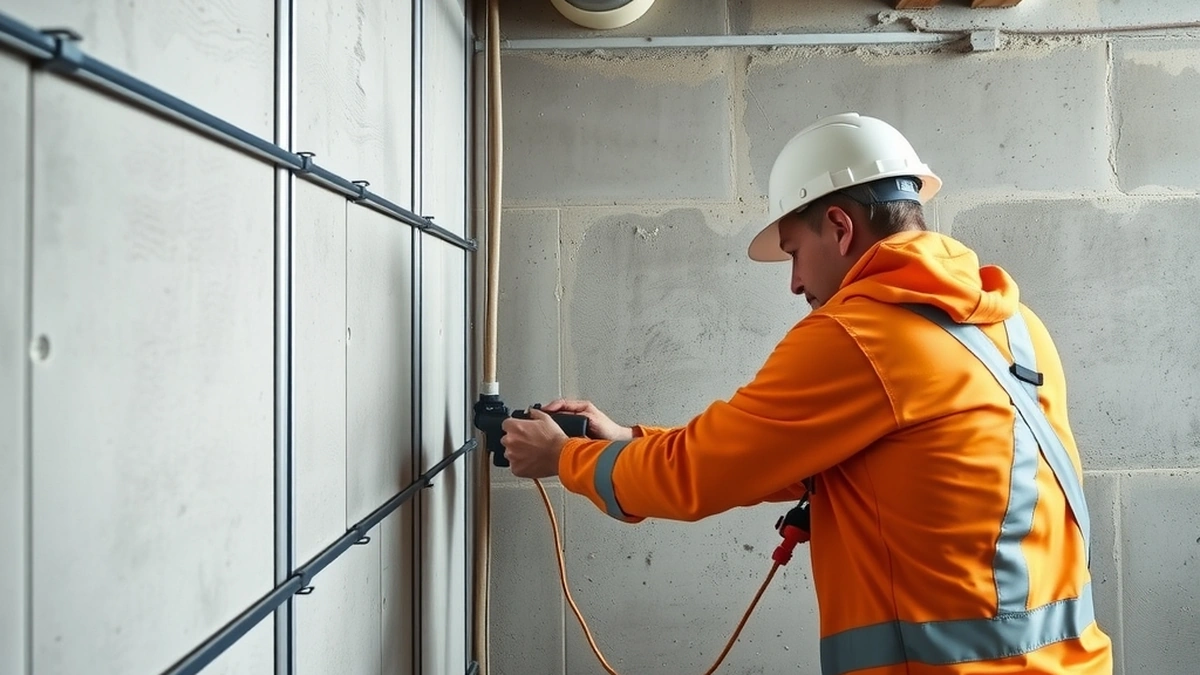
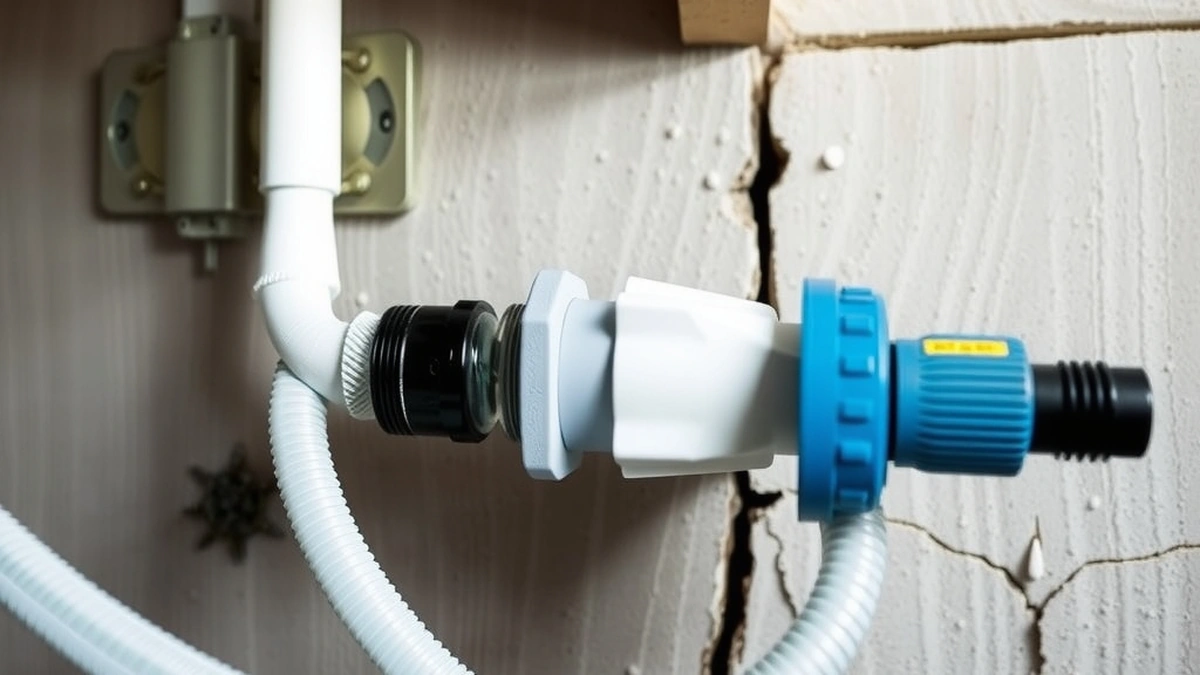
Crack injection is the pressure-injection of a resin into a crack to fill it and bond the two faces. Ports are installed along the crack, the surface is sealed, and the resin is pumped until it reaches the far end.
The result is a filled crack that is watertight and, with epoxy, structurally bonded. The wall is not stronger than it was before the crack, but the crack is no longer a path for water or a hinge point.
Epoxy Versus Polyurethane
| Property | Epoxy | Polyurethane |
|---|---|---|
| Cost per linear ft | $25 - $40 | $15 - $30 |
| Strength | High | Moderate |
| Flexibility | Low | High |
| Best for | Dry structural cracks | Wet or moving cracks |
| Cure | Hours to a day | Minutes to hours |
Epoxy is the stronger material and the right choice for a dry crack that needs to transfer load across the break. Polyurethane foams on contact with water, which makes it the right choice for an active leak, and it stays flexible so a small amount of movement does not reopen the crack.
A contractor who uses polyurethane on every crack is choosing the easier product, not the right one. Epoxy is thicker, sets harder, and requires a drier crack, which is more work. Ask which resin is specified and why, and expect the answer to reference whether the crack is wet and whether it is structural.
The Price Build
A 12-foot crack injected with epoxy at $30 per linear foot:
12 × $30 = $360
Add the minimum mobilization of $300 to $600, and the invoice is $600 to $960. That is why the per-crack price is often quoted as a flat range rather than a per-foot rate.
A basement with four cracks over 40 linear feet:
40 × $30 = $1,200
Add mobilization and the total is $1,500 to $1,800, which is a multi-crack job rather than a single repair.
When Injection Is the Right Repair
Injection is right for a stable vertical crack that leaks, for a cold joint that seeps, and for a tie-hole leak. It is also right after a structural repair, to seal the crack that the repair has stabilized.
It is wrong for a horizontal crack in a bowing wall, because the wall is still bending and the injection will fail. It is wrong for a crack with vertical displacement, because the two sides are no longer aligned and the resin cannot restore the alignment.
The Injection Sequence
- Clean the crack and remove loose material.
- Install injection ports along the crack at 6 to 12 inch spacing.
- Seal the surface between ports.
- Inject from the lowest port upward until resin appears at the next.
- Cap the ports and allow the resin to cure.
- Remove the ports and patch the surface.
What to Ask Before Booking
Ask which resin will be used and why. Ask whether the crack is stable, and how that was determined. Ask whether the water source has been addressed, because injecting a crack while the soil is still saturated is a temporary fix.
Ask, too, about the warranty. A one-year warranty on injection is common. A lifetime warranty on a crack in a wall that has not been stabilized is a promise the material cannot keep.
When the Cause Is Not the Crack
Water is the usual reason a crack leaks. A downspout that discharges at the corner, a gutter that overflows, or a lot that slopes toward the house will keep the wall wet no matter how many times the crack is sealed.
Fix the water first. Extending a downspout costs $90, and regrading a section of yard costs $1,500 to $4,000. Both are cheaper than repeated injection, and both address the pressure that opens cracks.
A simple test tells you whether the water is coming from above or below. Watch the crack during a heavy rain and again two days later. If it weeps during the storm, roof water or surface flow is the source. If it stays damp after everything has dried, groundwater is pushing from below, and a drain or a sump is the longer-term answer.
Getting a Fair Price
Get two quotes and ask each for the linear footage, the resin type, and whether the price includes surface patching. A quote that says “crack repair, $900” without a footage is not comparable, and a quote that includes four cracks for the price of one is worth questioning.
Compare the footage against what you measured. If you counted 22 linear feet and the quote prices 45, ask where the extra length came from. Injection is priced on length for a reason, and a discrepancy that is not explained is a discrepancy that is being billed.
For the method detail, read crack injection epoxy versus polyurethane and foundation crack repair cost. If the crack is horizontal, horizontal foundation crack repair explains why injection alone will not hold.
Frequently asked questions
How much does crack injection cost?
Expect $400 to $1,200 per crack, or $15 to $40 per linear foot. Small jobs carry a minimum charge of $300 to $600 for mobilization.
Is epoxy or polyurethane better for a foundation crack?
Epoxy is stronger and suits dry cracks that need structural bonding. Polyurethane foams and stays flexible, which suits cracks that leak or may move slightly.
Can I inject a foundation crack myself?
DIY kits exist for slab and garage cracks. A basement wall crack that is leaking or moving should be injected by a contractor who can assess whether the wall needs restraint first.
Does injection stop a leak permanently?
It stops the leak through that crack. If the wall is still moving or the water pressure is unchanged, a new crack can open nearby, which is why the cause matters.
How long does crack injection last?
A properly injected stable crack can last the life of the wall. An injected crack in a moving wall may reopen within a season.
How wide should a crack be before injection?
Injection works on cracks from hairline to about a quarter inch. Wider cracks need a different repair, and cracks with displacement need an engineer.
Sources
Some links are affiliate links.If you buy through them we may earn a commission at no extra cost to you. We do not accept payment for rankings. Read the full disclosure.