What Sump Pump Costs: Pump, Pit, and Install
Sump pumps cost $150 to $500 for the unit and $600 to $3,000 installed. See the line items and how to size a pump for your basement.
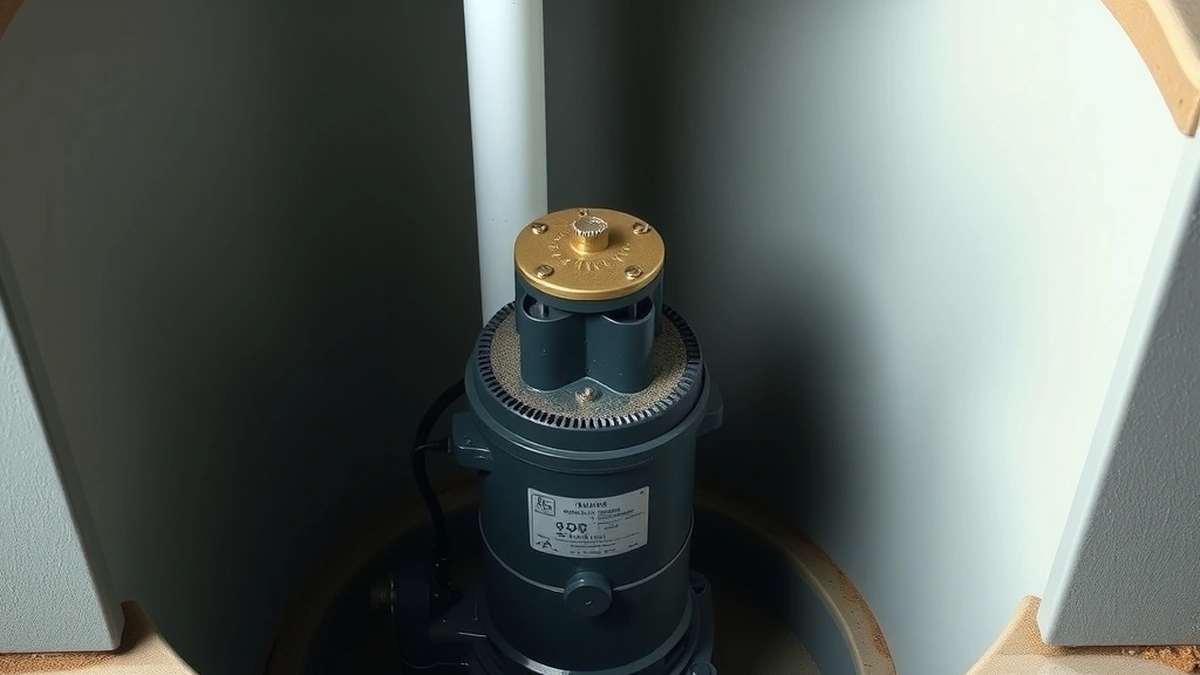
A sump pump costs $150 to $500 for the unit and $600 to $3,000 installed with a new pit, discharge line, and electrical circuit. A replacement pump in an existing pit runs $300 to $800.
- Pump unit
- $150 - $500
- Replacement installed
- $300 - $800
- New pit and pump
- $1,200 - $2,200
- Full install
- $2,000 - $3,000
- Battery backup
- $400 - $1,200
Some links on this page are affiliate links.If you buy through them we may earn a commission at no extra cost to you. We do not accept payment for rankings. Read the full disclosure.
A sump pump costs $150 to $500 for the unit and $600 to $3,000 installed, because the pump is the smallest part of the job. The pit, liner, discharge line, check valve, and electrical circuit usually account for more than half the invoice. A replacement in a pit that already exists is a $300 to $800 job by comparison.
The Six Line Items
| Item | Typical cost | Notes |
|---|---|---|
| Submersible pump | $150 - $500 | Cast iron preferred |
| Pit and liner | $300 - $900 | Cutting a slab adds labor |
| Discharge line | $150 - $450 | Check valve and freeze protection |
| Electrical circuit | $250 - $600 | Dedicated GFCI |
| Labor | $300 - $800 | Half to a full day |
| Battery backup | $400 - $1,200 | Optional |
Add the middle of each range and the total is about $2,200, which is where most complete installations land. A replacement pump skips four of the six lines.
Pump Sizing
Pumps are rated in gallons per hour at a head height. A typical basement needs 1,800 to 3,000 gallons per hour at 8 to 10 feet of lift, and a one-third horsepower unit covers most homes under 2,000 sq ft.
Sizing follows inflow, not floor area. If the pit fills 12 inches in 60 seconds during a storm, that is roughly 30 gallons per minute, or 1,800 gallons per hour, and a one-third horsepower pump at that head is marginal. The honest fix is a half horsepower pump plus a backup, not a bigger pit.
What Drives the Price
The pit is the biggest variable. If a pit exists, the job is a pump swap and a discharge check. If no pit exists, the contractor has to saw-cut the slab, excavate, set a liner, bed it in gravel, and patch the floor.
Electrical is the second variable. A dedicated GFCI circuit is required in most jurisdictions for a permanently wired pump. If the panel is full or the outlet is far from the pit, the electrical line alone can reach $600.
Discharge routing is the third. A line that can daylight to a slope is cheap. A line that must run up and out through a rim joist, with freeze protection, costs more. If the only legal discharge is a dry well or a pop-up emitter at the curb, that excavation is a separate line and can add several hundred dollars.
A Costed Example
A 1,200 sq ft basement with no pit:
Pit and liner: $700 Pump: $350 Discharge and check valve: $300 Electrical circuit: $450 Labor: $600
Total: $2,400
That sits in the upper half of the $600 to $3,000 band, which is normal for a first-time installation.
Replacement Versus New Install
| Scope | Cost | Time |
|---|---|---|
| Pump replacement | $300 - $800 | 1 to 2 hours |
| New pit and pump | $1,200 - $2,200 | 1 day |
| Full install with electrical | $2,000 - $3,000 | 1 to 2 days |
Replacement is the right scope when the pit, liner, and discharge are sound and the pump has simply worn out. New installation is the right scope when there is no pit, when the pit is undersized, or when the discharge is inadequate.
The Installation Sequence
- Confirm the low point and check for post-tension cables before cutting.
- Cut and excavate the pit, then set and bed the liner in gravel.
- Install the pump, check valve, and float with clear travel.
- Run the discharge to a legal termination with freeze protection.
- Wire a dedicated GFCI circuit and test with water.
- Label the breaker and leave the manual.
Maintenance and Backup
Test the pump twice a year by pouring a bucket of water into the pit. Listen for the check valve and confirm the pump shuts off when the float drops. Clean the pit of silt and debris annually.
A second pump is sometimes a better spend than a battery. Two pumps on separate floats cost $300 to $600 more at installation and cover the failure of a single unit, which is more common than a long power outage. A battery covers the outage; a duplex covers the pump. On a finished basement with a wet pit, both are reasonable.
A battery backup is worth the $400 to $1,200 on a finished basement. Power failures cluster around the storms that fill the pit, and a backup that runs 6 to 8 hours covers the typical outage. That is cheaper than one inch of water across 800 sq ft of flooring.
Getting a Fair Price
Ask for the pump brand and horsepower, the pit dimensions, the discharge route, and whether the electrical work is included. Ask for the total with and without the backup so you can see the marginal cost. Then compare the installed totals rather than the pump price, because the pump price is the least meaningful number in the job. Two quotes for the same house can differ by $800 and both be fair, if one includes a liner and the other assumes the old pit is sound.
For the surrounding work, read sump pump installation cost and french drain versus sump pump. If the basement is damp rather than wet, basement waterproofing cost sets the wider budget.
Frequently asked questions
How much does a sump pump cost installed?
A complete installation runs $600 to $3,000, depending on whether a pit exists, whether a discharge line must be run, and whether an electrical circuit is needed.
How much does just the pump cost?
A cast iron submersible pump costs $150 to $500. Plastic pumps are cheaper but typically have a shorter service life in a basement that runs often.
Do I need a battery backup sump pump?
It is worth it on a finished basement or where the pit runs frequently. Power outages usually arrive with the storms that fill the pit, and a backup runs $400 to $1,200.
How long does a sump pump last?
Seven to ten years in normal service. Pumps that run constantly in wet soil wear out faster and should be checked annually.
Where should the discharge line go?
At least 4 to 6 feet from the foundation, on ground that slopes away, and to a legal discharge point. Never into a sanitary sewer where that is prohibited.
Can a sump pump be installed in a crawl space?
Yes. A crawl space pit and pump works the same way, often paired with a liner and dehumidifier. Encapsulation alone does not remove standing water.
Sources
Some links are affiliate links.If you buy through them we may earn a commission at no extra cost to you. We do not accept payment for rankings. Read the full disclosure.