How Much Does Foundation Repair Cost in Texas?
Texas foundation repair runs $6,000 to $30,000 for pier work, driven by expansive clay and deep piers. See the prices and the soil reasons.
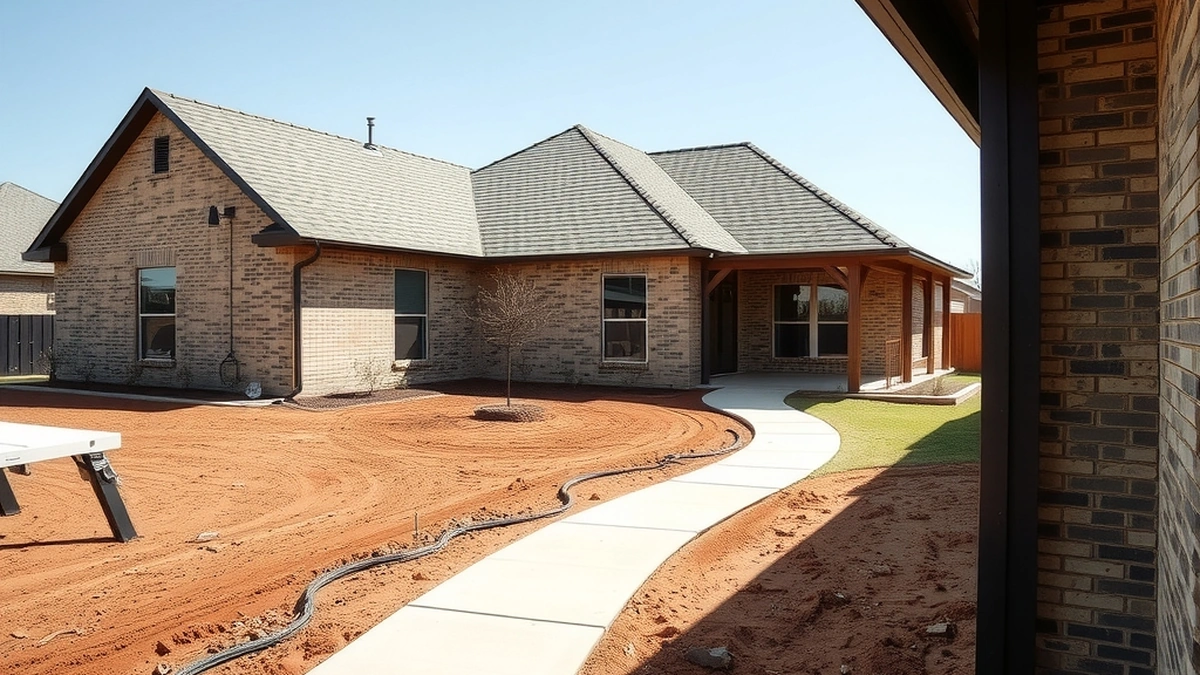
Foundation repair in Texas typically costs $6,000 to $30,000 for pier work, with push piers at $1,000 to $3,000 each. Expansive clay and deep bearing soil push many jobs toward the middle and top of that range.
- Typical pier job
- $6,000 - $30,000
- Push pier each
- $1,000 - $3,000
- Major repair
- $20,000 - $40,000
- Engineering report
- $400 - $1,500
- Typical soil
- Expansive clay
Some links on this page are affiliate links.If you buy through them we may earn a commission at no extra cost to you. We do not accept payment for rankings. Read the full disclosure.
Foundation repair in Texas typically costs $6,000 to $30,000 for pier work, with push piers at $1,000 to $3,000 each. The state’s expansive clay is the reason so many houses need piers at all, and it is also the reason the design depth is often deeper than in other markets. That depth is the price, and it is the number to ask about before the total.
Why Texas Is Different
Expansive clay swells when it absorbs water and shrinks when it dries. The soil under a Texas house can move several inches between a wet spring and a dry summer, and a footing that is not deep enough moves with it.
The active zone is the depth over which that moisture change occurs, often 4 to 10 feet. A pier has to pass through it to reach stable soil, and the further it goes, the more steel and time it takes.
The Price Bands
| Scope | Cost | Notes |
|---|---|---|
| Crack repair | $400 - $1,200 | Stable leaks |
| Typical pier job | $6,000 - $30,000 | Several piers |
| Major repair | $20,000 - $40,000 | Multiple walls |
| Replacement | $40,000 - $150,000 | Failed foundation |
The bands match the national figures because the unit prices do. What differs is the distribution: more Texas jobs land in the middle and upper bands because the clay keeps moving.
The Pier Arithmetic
A 2,000 sq ft house with ten push piers at $2,000:
10 × $2,000 = $20,000
Add engineering at $1,000 and restoration at 15%:
$20,000 × 0.15 = $3,000
Total: $24,000. That is a common Texas number for a house with two affected walls.
The Depth Effect
A pier that reaches 25 feet costs more than one that reaches 15, even at the same unit price. The steel is the smaller part; the rig time and the crew hours are the larger part.
Ask what depth the price includes and what the overrun rate is per foot. In clay country, the depth is the number that decides whether the bid holds.
Water Management
The cheapest long-term protection in Texas is consistent moisture. Soaker hoses during drought, gutters that discharge away from the house, and grading that moves water off the lot all reduce the swing that drives movement.
That does not replace a repair when the house has already moved, and it does reduce the chance of a second repair on a different wall.
When to Repair
Repair when the movement is active: widening cracks, doors that stick year round, and a floor that has dropped more than an inch across a room. Monitoring is reasonable for a dormant crack, and it is not reasonable for a wall that is moving.
Waiting in clay country usually makes the job larger, because the affected length grows and the pier count with it.
Choosing a Contractor
- Get an engineer’s report with a design depth.
- Verify the licence with the state.
- Compare three bids on the same pier count.
- Ask for the overrun rate per foot.
- Confirm the warranty transfer terms.
- Ask for the lift record at completion.
The Regional Differences
Houston, Dallas, Austin, and San Antonio all sit on clay, and the differences between them are mostly labor rates, permit costs, and lot access. A dense urban lot with no machine access costs more than a suburban lot with a wide side yard.
Coastal markets add corrosion considerations, and the pier coating matters more there. Ask what coating is specified if the house is near the coast.
Texas foundation repair is expensive because the soil is difficult, and the repair is expensive because it has to go deep. A $20,000 to $25,000 job on a two-wall repair is normal in the state, and a $6,000 job is a small one-wall correction. Both are honest numbers for different houses.
A Texas-specific cost that surprises homeowners is landscaping. Foundation crews need access along the wall, and shrubs, irrigation lines, and fences in the way have to be moved or rebuilt. That restoration is rarely in the foundation bid.
A second is the fence and gate. A crew that cannot get a machine into the backyard will use a smaller rig or hand tools, and the labor difference is real. Ask the contractor to walk the access before quoting.
A third is the permit. Requirements vary by city and county, and a job in one jurisdiction may take a week longer to approve than the same job next door. The contractor should know the local timeline and say so.
One more Texas factor is the age of the housing stock. A 1950s ranch on a shallow footing behaves differently from a 2010 build on an engineered slab, and the repair methods differ accordingly.
Older homes may have pier and beam construction, which is cheaper to level than a slab because the access is already there. Newer homes may have post-tension slabs, which require a cable scan before any drilling.
Ask the contractor which construction type the house has and how that changes the scope. The answer tells you whether the quote is based on the house or on a template.
For the wider context, read foundation repair cost by state and expansive clay soil. If the engineer is choosing a pier type, push piers versus helical piers explains the trade-off.
Frequently asked questions
How much does foundation repair cost in Texas?
Most pier jobs run $6,000 to $30,000, with push piers at $1,000 to $3,000 each. Major structural work runs $20,000 to $40,000.
Why is foundation repair expensive in Texas?
Expansive clay swells and shrinks with moisture, which moves footings. Piers often have to reach deeper to get below the active zone, which raises the cost.
Is foundation repair necessary in Texas?
When movement is active, yes. The clay cycle will continue, and the repair is what stops the house from following it.
How deep are piers in Texas?
Depth depends on the site, and it often runs 15 to 30 feet to reach stable soil below the active clay zone.
Does insurance cover foundation repair in Texas?
Usually not for settlement or clay movement. A sudden event may be covered, and some policies offer limited endorsements.
How do I choose a Texas foundation contractor?
Verify the licence, get an engineer's report, and compare three bids on the same pier count and design depth.
Sources
Some links are affiliate links.If you buy through them we may earn a commission at no extra cost to you. We do not accept payment for rankings. Read the full disclosure.