Carbon Fibre Straps Cost: Per Strap and Per Job
Carbon fibre straps run $400 to $1,200 each and are used in sets on bowing walls. See how many a wall needs and what the job totals.
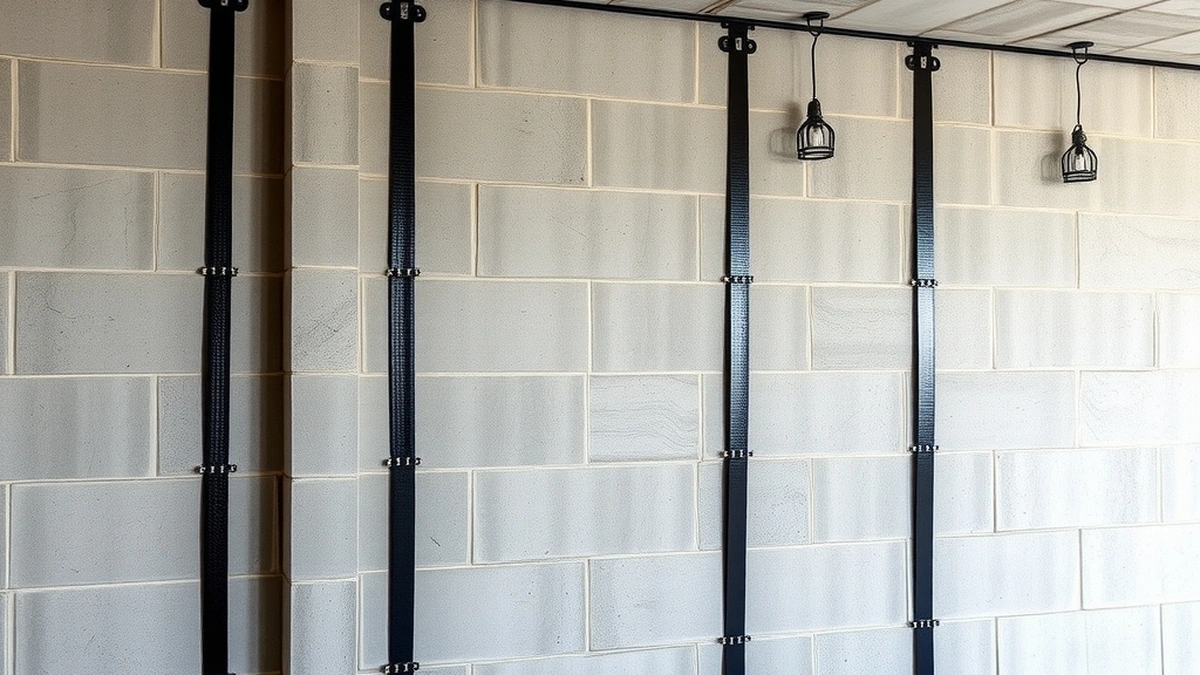
Carbon fibre straps cost $400 to $1,200 each installed. A bowing wall usually needs four to eight straps, so a typical job runs $4,000 to $15,000 including engineering and crack repair.
- Cost per strap
- $400 - $1,200
- Typical job
- $4,000 - $15,000
- Strap spacing
- 4 - 6 feet on center
- Wall anchors
- $500 - $1,500 each
- Engineering report
- $400 - $1,500
Some links on this page are affiliate links.If you buy through them we may earn a commission at no extra cost to you. We do not accept payment for rankings. Read the full disclosure.
Carbon fibre straps cost $400 to $1,200 each installed, and a bowing wall usually needs four to eight of them, which puts most jobs between $4,000 and $15,000. The strap is a narrow strip of carbon fibre bonded vertically to the inside face of the wall. It does not straighten anything. It adds the tensile strength the wall lacks, so the wall stops bending further.
What the Strap Does
Concrete and block are strong in compression and weak in tension. When soil pressure pushes a wall inward, the inside face goes into tension and cracks. A carbon fibre strap is bonded to that face and anchored at the floor and the rim, so it carries the tension the wall cannot.
That is why straps are a restraint, not a correction. A wall that has bowed 1.5 inches will still be bowed after the straps are installed. What changes is that it stops moving, which is the goal on a wall that is otherwise sound.
What the Price Covers
| Component | Share of price | Notes |
|---|---|---|
| Carbon fibre strap and epoxy | Moderate | Width and length vary |
| Surface preparation | Large | Grinding, patching, priming |
| Anchors at floor and rim | Moderate | Hardware and embedment |
| Labor | Large | Two-person crew, one day |
| Engineering allocation | Small | Often separate |
Surface preparation is the part homeowners do not see and should ask about. The strap has to bond to bare, sound concrete. Paint, efflorescence, and loose mortar have to be removed, and any spalled areas have to be patched and cured before the epoxy goes on.
Job Arithmetic
A 24-foot block wall has bowed 1.25 inches. The engineer specifies straps at 5-foot spacing:
24 ÷ 5 = 4.8, rounded up to 5 straps
At $800 each:
5 × $800 = $4,000
Add engineering at $900 and crack injection at $600:
$4,000 + $900 + $600 = $5,500
That is a small job at the bottom of the $4,000 to $15,000 range.
A longer wall with eight straps at $900:
8 × $900 = $7,200
Add engineering at $1,000 and restoration at 10%:
$7,200 × 0.10 = $720
Total: $8,920, which sits in the middle of the band.
Straps Versus Anchors
| Factor | Carbon fibre straps | Wall anchors |
|---|---|---|
| Cost each | $400 - $1,200 | $500 - $1,500 |
| Installation | Inside only | Inside plus exterior pits |
| Action | Adds tensile strength | Pulls wall toward plumb |
| Best for | Block, moderate bow | Poured, active pressure |
| Adjustable | No | Yes, can be tightened |
A block wall that is bowing but not badly out of plumb is a good candidate for straps. A poured wall under active pressure is a better candidate for anchors, because the anchor can be tightened as the soil load changes. Many engineers specify both on a long wall with mixed conditions.
When Straps Are Not Enough
Straps stop movement. They do not correct a wall that has already moved past the point where the frame, the floor, and the joists can tolerate the bow. Beyond about 2 inches, straightening or replacement becomes the conversation.
They are also not appropriate for a wall that has crumbled. If the block or concrete has lost section, there is nothing sound for the epoxy to bond to, and the strap will peel. In that case the wall section has to be rebuilt.
The Installation Sequence
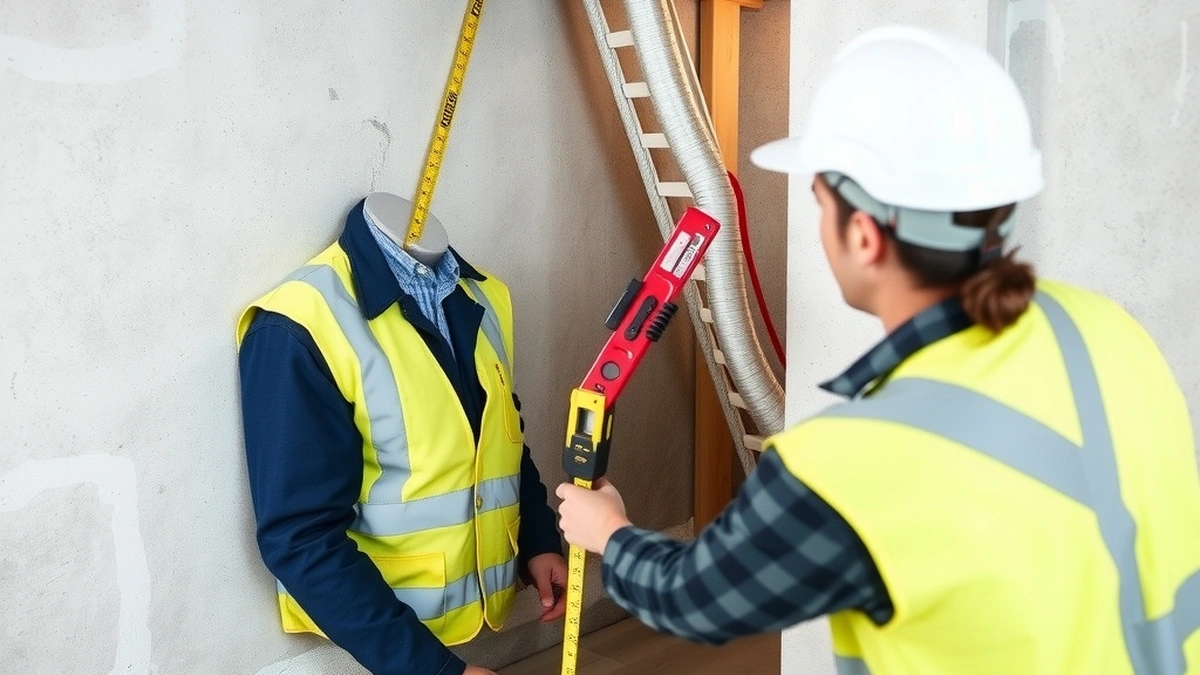
- Measure the bow and confirm the wall is out of plumb.
- Fix the water and soil pressure source.
- Get an engineer’s spacing and strap specification.
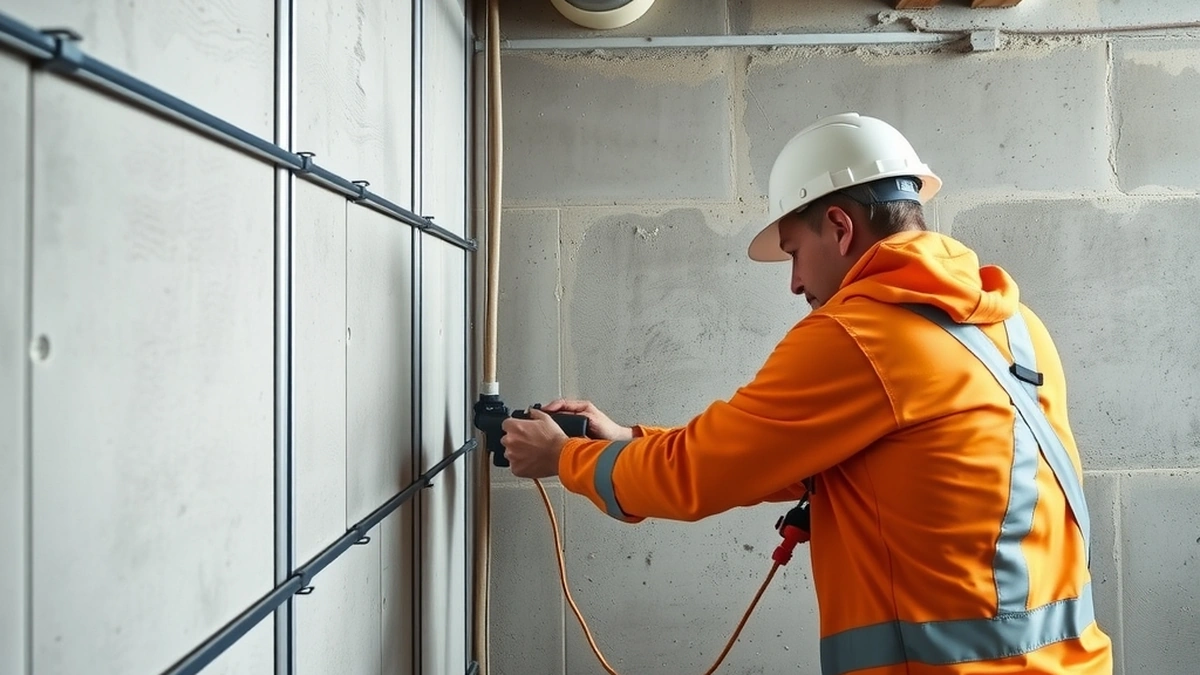
- Grind and prepare the wall surface to bare concrete.
- Bond the straps and install the floor and rim anchors.
- Inject or seal the cracks after the straps cure.
- Recheck plumb after one wet season.
What to Ask a Contractor
Ask how many straps, at what spacing, and what width. Ask what surface preparation is included, because a crew that skips grinding is saving an hour and losing the bond. Ask whether the floor and rim anchors are mechanical or adhesive, and what the engineer specified.
Ask, too, what the warranty covers. A strap system that is bonded correctly should last the life of the wall, and the warranty should say so rather than offering a one-year workmanship term with no coverage for the system.
The Comparison You Should Make
Get the engineer’s report first, then compare a strap quote against an anchor quote on the same design. They solve the same problem with different mechanics, and the price difference is often smaller than the difference in suitability.
One more cost appears after the straps are installed: the wall still has to be finished. If the basement is finished, the straps sit behind new framing or drywall, and that restoration can add 20% to 50% to the project. Ask the contractor how the wall will be closed up and whether that line is in the bid, because a strap system that leaves a basement unusable is only half a repair.
For the method detail, read carbon fibre versus wall anchors and carbon fibre foundation repair cost. If the wall is poured concrete rather than block, wall anchor cost is the closer comparison.
Frequently asked questions
How much do carbon fibre straps cost?
They run $400 to $1,200 per strap installed, depending on wall height, strap width, and surface preparation. A bowing wall commonly needs four to eight straps.
How many carbon fibre straps does a wall need?
Spacing is usually 4 to 6 feet on center along the bowed length, set by the engineer. A 24-foot wall at 5-foot spacing needs five straps.
Do carbon fibre straps straighten a wall?
No. They stop it from bowing further by adding tensile strength. Straightening a wall that has moved more than a couple of inches requires jacking, which is a separate operation.
Are straps better than wall anchors?
Straps suit block walls and moderate bowing, and install from inside. Anchors suit active pressure and can be tightened over time. Many engineered repairs use both.
How long do carbon fibre straps last?
The carbon fibre and epoxy system is designed to last the life of the wall when installed correctly. Surface preparation is the main factor in whether it bonds properly.
Does insurance cover carbon fibre strap repair?
Usually not for long-term soil movement. A sudden event that caused the bowing may be covered. Read the exclusions page before filing a claim.
Sources
Some links are affiliate links.If you buy through them we may earn a commission at no extra cost to you. We do not accept payment for rankings. Read the full disclosure.