Slab Foundations: How They Fail
A numbers-first guide to slab foundation failure modes, warning signs, repair methods, and costs for homeowners.
Slab foundations fail when soil movement, moisture changes, or poor compaction cause cracking, settlement, or heaving; repairs typically range from $4,000 to $15,000.
- Typical repair cost
- $4,000 - $15,000
- Major repair cost
- $20,000 - $40,000
- Full replacement cost
- $40,000 - $150,000
- Engineer inspection
- $400 - $1,500
- Cosmetic crack threshold
- 1/16 inch
Some links on this page are affiliate links.If you buy through them we may earn a commission at no extra cost to you. We do not accept payment for rankings. Read the full disclosure.
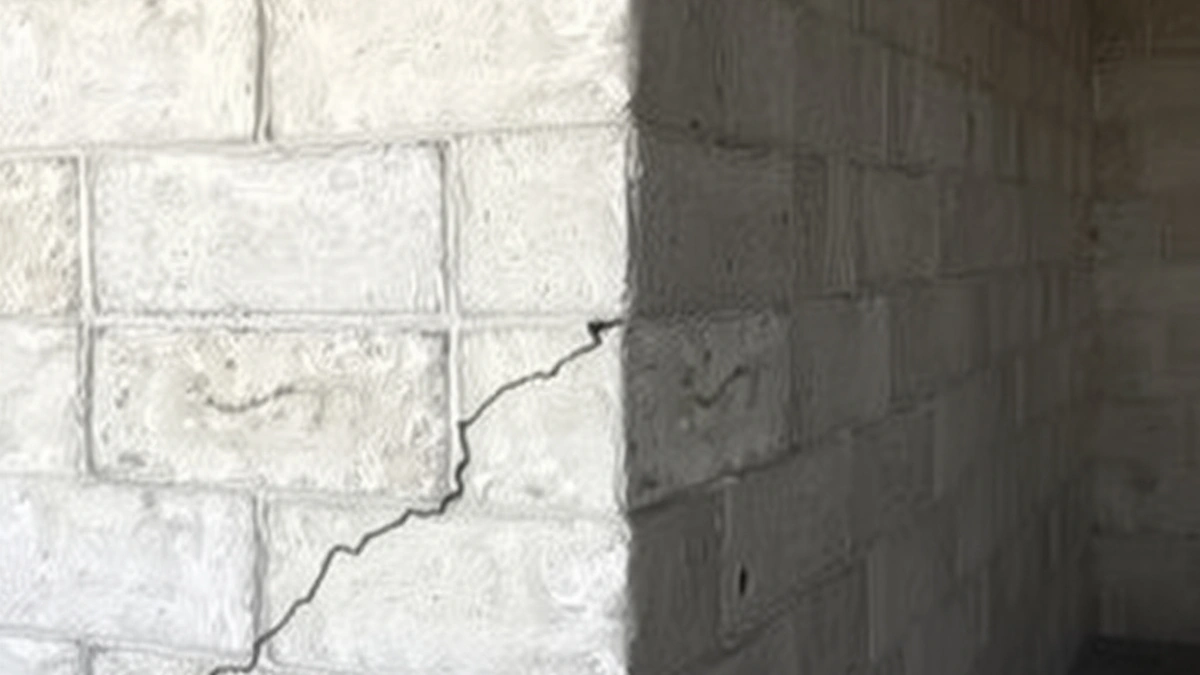
Slab foundations fail when the soil beneath them moves enough to crack, tilt, or lift the concrete. Failure usually shows up as cracks, uneven floors, or doors that stick, and it is measured by crack width and displacement before any repair method is chosen. Most repairs fall between $4,000 and $15,000, while full replacement can reach $150,000.
How Slab Foundations Are Built
A slab foundation is a flat, concrete pad poured directly on the ground, typically 4 to 6 inches thick and reinforced with steel rebar or post-tension cables. The slab rests on compacted soil or a gravel base, and its performance depends entirely on that support staying stable. Unlike basements or crawl spaces, a slab has no accessible void underneath, so problems below the surface are hidden until they appear in the concrete above.
Common Failure Mechanisms
Slab failure generally falls into four categories:
- Differential settlement: One part of the slab sinks while another stays level, creating cracks and sloped floors.
- Heaving: Expansive clay soil swells with moisture and pushes sections of the slab upward.
- Shrinkage: Soil dries out and contracts, removing support and allowing the slab to crack or settle.
- Erosion or washout: Water from plumbing leaks or poor drainage carries soil away from under the slab, leaving voids.
These mechanisms are not mutually exclusive. A leaking drain line can saturate soil on one side of the house while the other side dries out, producing both heave and settlement at the same time.
Measuring the Damage
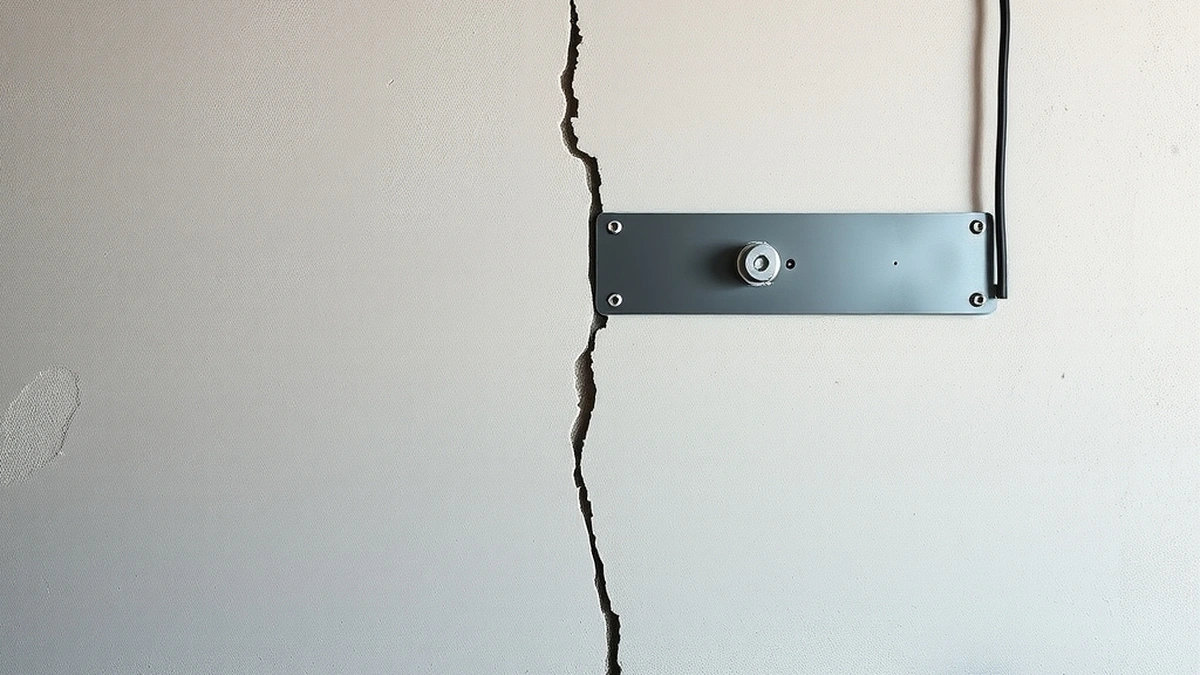
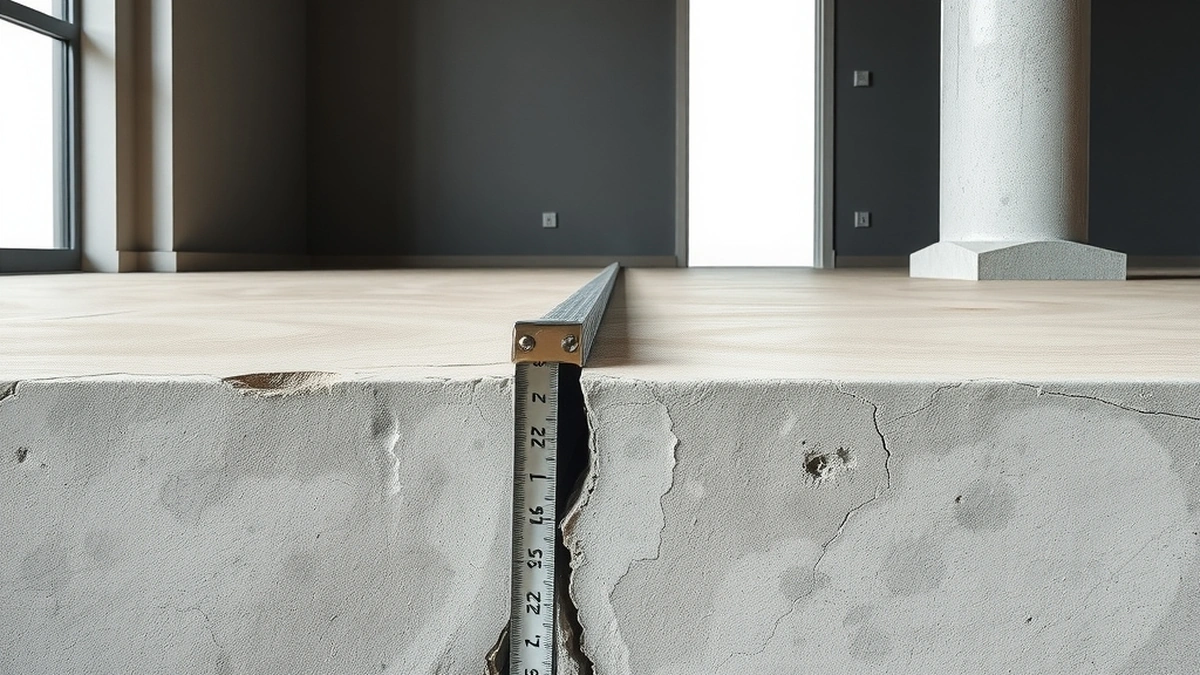
Before discussing repair methods, measure the problem. Crack width and displacement determine whether a crack is cosmetic, worth watching, or structural.
- Cosmetic: Up to 1/16 inch wide. Typically caused by normal concrete curing shrinkage.
- Watch: 1/8 inch wide. Mark the crack with a pencil and date, then re-measure after seasonal changes.
- Structural concern: Wider than 1/8 inch, or any vertical displacement where one side of the crack is higher than the other.
Wall movement beyond 2 inches generally indicates advanced distress. These are field guidelines, not a substitute for an engineer inspection, which costs $400 to $1,500.
Soil and Water: The Primary Drivers
Soil type matters more than the concrete itself. Expansive clay can swell when wet and shrink when dry, exerting thousands of pounds of pressure on a slab. Poor initial compaction means the soil consolidates under the weight of the house over time. Plumbing leaks under a slab can introduce 50 to 100 gallons of water per day into the soil, enough to soften bearing capacity and trigger settlement.
Drainage is the first line of defense. Downspouts should discharge water at least 5 to 10 feet from the foundation, and the ground should slope away from the house at roughly 6 inches over the first 10 feet. Standing water against a slab edge increases the risk of both heave and erosion.
Repair Methods and Costs
Repair selection follows measurement. Lifting a settled slab is different from stabilizing a heaving one, and costs vary by method and region.
Slab lifting or leveling Mudjacking pumps a grout mixture under the slab to raise it, costing $3 to $8 per square foot. Polyurethane foam injection costs $5 to $15 per square foot and cures faster. For a 1,000-square-foot slab, mudjacking might run $3,000 to $8,000, while foam could run $5,000 to $15,000. Mudjacking typically lasts 5 to 15 years.
Piering Push piers cost $1,000 to $3,000 each and are driven to bearing soil or bedrock. Helical piers cost $700 to $2,500 each and are screwed into the ground. A full pier job usually ranges from $6,000 to $30,000 depending on pier count and depth to bearing. For example, eight push piers at $2,000 each equals $16,000, plus mobilization and engineering.
Carbon fiber and wall anchors Carbon fiber straps cost $400 to $1,200 each and are used mainly on foundation walls, not slabs. Wall anchors cost $500 to $1,500 each and apply to bowed basement walls. These are rarely the primary fix for a slab-on-grade home but may appear if the home has a perimeter foundation wall attached to the slab.
Replacement Full slab replacement runs $40,000 to $150,000. Restoration typically costs 10 to 25 percent of structural replacement cost. Replacement is generally considered when damage exceeds about one-third of the structure.
When to Replace Instead of Repair
Replacement is warranted when the slab has extensive cracking, severe heave that cannot be leveled, or when repair costs approach replacement cost. If more than one-third of the slab shows failed conditions, replacement becomes the more logical path. A new slab also requires permits, which vary by city and county and typically take 1 to 3 weeks to secure.
Prevention and Monitoring
Maintain consistent moisture around the perimeter. Water the foundation evenly during dry spells if the soil is expansive clay, but avoid overwatering. Fix plumbing leaks promptly, especially under-slab supply and drain lines. Inspect cracks annually; if a crack grows from 1/16 inch to 1/8 inch or shows displacement, schedule an engineer inspection. Inspection lead time is typically 1 to 2 weeks.
Repair warranties vary. Pier warranties are often lifetime and transferable, with transfer fees of $100 to $500. Slab lifting methods carry shorter performance windows. Always confirm what is covered before signing a contract.
Internal Links
For cost context on related repair types, see foundation repair cost, pier and beam foundation repair cost, and foundation crack repair cost.
Frequently asked questions
What causes a slab foundation to fail?
Most slab failures come from soil movement, poor compaction, drainage problems, or plumbing leaks that shift support under the concrete.
How wide is a cosmetic slab crack?
Cracks up to 1/16 inch wide are generally considered cosmetic and do not indicate structural failure.
When should I worry about a slab crack?
Cracks at or above 1/8 inch wide, or cracks with vertical displacement, warrant measurement and possible engineer inspection.
How much does slab pier repair cost?
Push piers run $1,000 to $3,000 each, and full pier jobs typically land between $6,000 and $30,000.
Can a failed slab be repaired instead of replaced?
Yes; restoration usually costs 10 to 25 percent of structural replacement, and replacement is generally considered when damage exceeds about one-third of the structure.
Do I need a permit for slab foundation repair?
Permit requirements vary by city and county and typically take 1 to 3 weeks to process.
Sources
Some links are affiliate links.If you buy through them we may earn a commission at no extra cost to you. We do not accept payment for rankings. Read the full disclosure.