Pier and Beam Foundations Explained
A numbers-first guide to pier and beam foundations, including construction, common problems, repair costs, and when to replace.
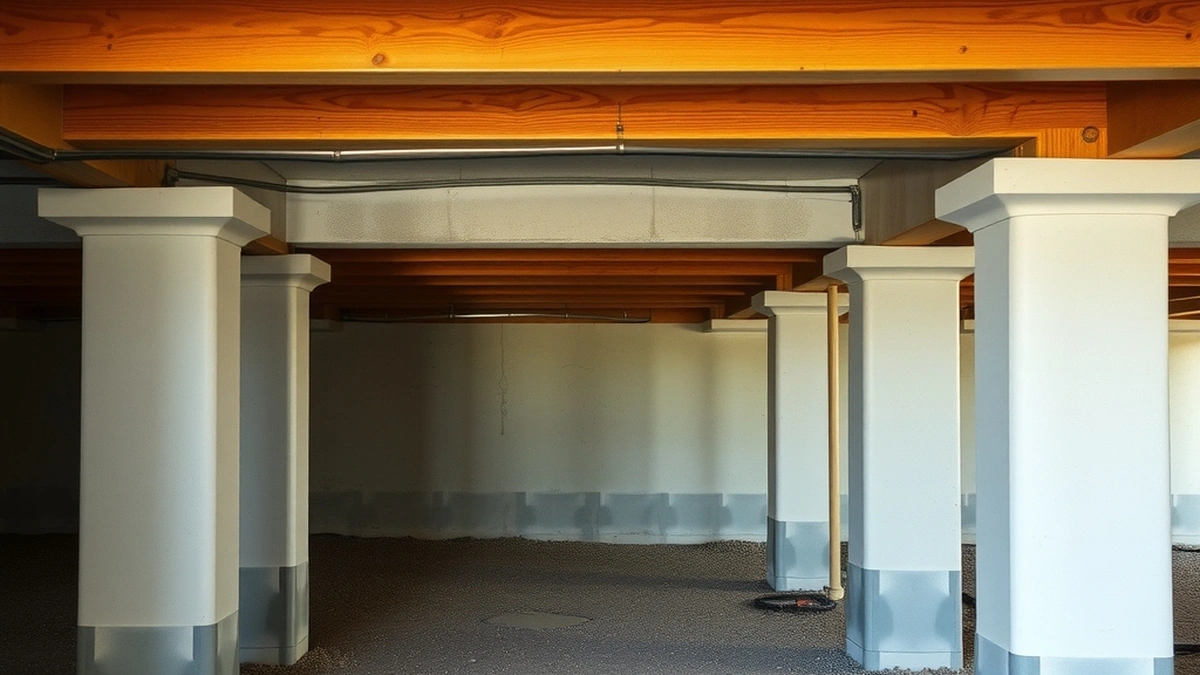
Pier and beam foundations use vertical piers and horizontal beams to lift a home above the ground, creating a crawl space typically 18 to 36 inches high.
- Typical crawl space height
- 18-36 inches
- Average repair cost
- $4,000-$15,000
- Major repair cost
- $20,000-$40,000
- Engineer inspection
- $400-$1,500
Some links on this page are affiliate links.If you buy through them we may earn a commission at no extra cost to you. We do not accept payment for rankings. Read the full disclosure.
Pier and beam foundations support a home on vertical piers connected by horizontal beams, creating a crawl space between the soil and the floor structure. This design is common in regions with expansive clay soils or high water tables where slab-on-grade construction performs poorly. The following guide covers how these foundations are built, how to measure common problems, and what repairs typically cost.
What Is a Pier and Beam Foundation
A pier and beam foundation consists of vertical supports—piers—set into the ground at intervals, with beams spanning between them to carry the floor joists and the structure above. The crawl space underneath typically ranges from 18 to 36 inches high, giving access to plumbing, electrical, and HVAC lines. Unlike a slab foundation, the structure is not in direct contact with the soil, which can reduce moisture transfer but introduces ventilation and wood decay considerations.
Piers may be made of concrete, treated wood, steel, or masonry block. Beams are usually pressure-treated lumber or steel I-beams, and floor joists rest on top of the beams. The entire assembly elevates the living space above grade, which was historically favored in areas with termite pressure or seasonal flooding.
How Pier and Beam Foundations Are Built
Construction begins with site layout and pier placement. Engineers or contractors mark pier locations based on load-bearing walls and floor joist spans. Piers are then installed to a depth that reaches stable bearing soil, which varies by region and soil report. A typical residential pier might extend 5 to 10 feet below grade, though depth depends on frost line and load requirements.
Once piers are set, beams are placed across the top of the piers and secured with steel plates, bolts, or bearing pads. Floor joists run perpendicular to the beams, and subflooring is installed over the joists. The crawl space must include ventilation openings per local code, usually one square foot of vent area for every 150 square feet of crawl space, though sealed and encapsulated crawl spaces are increasingly common in humid climates.
Load paths matter in this system. The weight of the house travels from the roof and walls to the floor joists, then to the beams, then to the piers, and finally into the soil. If any link in that chain weakens—rotted joist, cracked beam, or settled pier—the floor above can sag or bounce.
Common Problems and How to Measure Them
The first step in any pier and beam assessment is measurement, not assumption. Homeowners and inspectors should record crack width, floor deflection, and pier displacement before discussing repair methods.
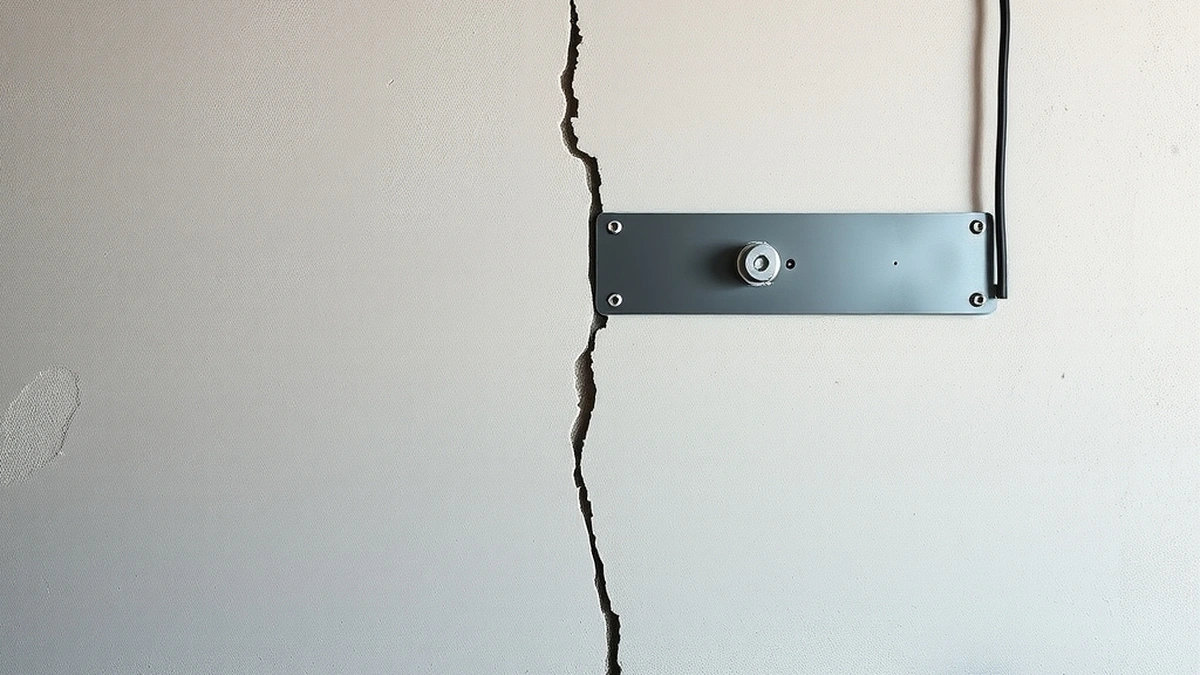
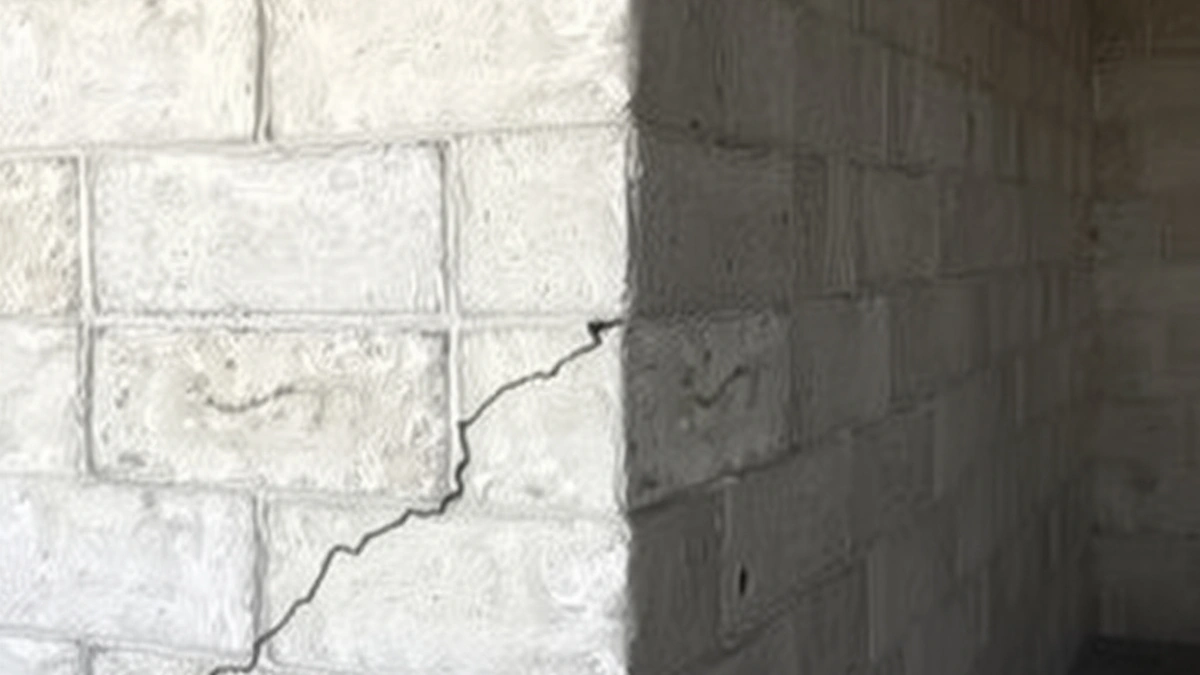
Cosmetic cracks in drywall or plaster are typically 1/16 inch or narrower. Cracks wider than 1/8 inch warrant monitoring and possibly structural evaluation. Wall movement beyond 2 inches generally indicates significant foundation distress and should be reviewed by a structural engineer.
Floor sag is measured with a level or string line stretched across the room. A deflection of 1 inch over a 20-foot span may be acceptable in older construction, but progressive sagging or sloping toward a central point often points to a failed pier or beam. Pier displacement is measured by comparing the top of each pier to a fixed benchmark; any vertical movement suggests bearing soil failure or pier deterioration.
Moisture is another frequent issue. Standing water in the crawl space, wood moisture content above 20 percent, or visible fungal growth on beams and joists accelerates decay. A moisture meter reading should be taken at multiple locations before any repair scope is finalized.
Repair Methods and Costs
Repair options for pier and beam foundations range from localized shimming to full pier replacement. Costs are estimates and vary by local labor rates, access conditions, and the number of piers involved.
Pier Installation and Shimming
Adding or replacing piers is a common remedy for settled sections. Push piers cost approximately $1,000 to $3,000 each, while helical piers cost approximately $700 to $2,500 each. A full pier job typically runs $6,000 to $30,000 depending on pier count and depth to bearing.
For example, if a home requires eight helical piers at an average unit price of $1,600, the pier material and installation subtotal is approximately $12,800. Adding an engineer inspection at $400 to $1,500 brings the total to roughly $13,200 to $14,300 before permits or concrete work.
Shimming existing piers with steel or treated wood shims is less expensive but addresses leveling rather than bearing capacity. It is appropriate when piers are sound but have settled slightly due to soil shrinkage.
Beam and Joist Repair
Rotted or cracked beams and joists are often sistered—meaning a new member is fastened alongside the existing one—or replaced entirely. Costs depend on lumber prices, crawl space access, and whether temporary shoring is required. If a 20-foot beam must be replaced, the crew may need to jack the floor incrementally, often no more than 1/8 inch per day, to avoid cracking drywall or plaster above.
Crawl Space Encapsulation
When moisture drives wood decay, encapsulation may be recommended alongside structural repairs. Crawl space encapsulation costs approximately $3 to $8 per square foot, with a typical job ranging from $4,000 to $15,000. For a 1,500-square-foot crawl space at $5 per square foot, encapsulation alone is approximately $7,500.
Slab and Floor Leveling
If interior floors rest on a concrete slab within the crawl space or basement, mudjacking costs approximately $3 to $8 per square foot, while poly foam lifting costs approximately $5 to $15 per square foot. For a 400-square-foot area, mudjacking at $5 per square foot equals roughly $2,000, compared to $3,000 at $7.50 per square foot for poly foam.
These figures are estimates. A complete repair scope should follow an engineer inspection, which typically costs $400 to $1,500 and has a lead time of one to two weeks.
When to Repair vs Replace
Repair is usually the first option when damage is localized to a few piers, beams, or joists. Replacement becomes a consideration when more than one-third of the structural support system has failed, or when repeated repairs no longer stabilize the foundation. Full foundation replacement costs approximately $40,000 to $150,000, depending on home size and site access.
Restoration of cosmetic finishes after structural repair typically adds 10 to 25 percent of the structural repair cost. For a $10,000 pier job, expect roughly $1,000 to $2,500 for drywall, flooring, and paint repairs caused by the leveling process.
Warranties vary by contractor and product. Pier warranties are often described as lifetime and transferable, though transfer fees typically range from $100 to $500. Homeowners should request warranty terms in writing before signing a contract.
Inspection, Permits, and Timing
An independent engineer inspection is the logical first step after noticing symptoms. Inspections usually cost $400 to $1,500 and can be scheduled within one to two weeks in most markets. Permit requirements vary by city and county, with approval typically taking one to three weeks.
Measure first, method second, price third. Recording crack widths, floor elevations, and pier conditions before soliciting repair bids helps ensure that quotes address the actual problem rather than a sales pitch. Internal resources on related topics include foundation repair cost, pier and beam foundation repair cost, and foundation crack repair cost.
Maintenance for Long-Term Performance
Pier and beam foundations require periodic crawl space checks, ideally once a year. Homeowners should look for standing water, pest activity, new cracks in interior finishes, and changes in floor level. Keeping gutters and downspouts directed away from the foundation reduces soil saturation around piers. Maintaining crawl space ventilation or a sealed encapsulation system helps control wood moisture and extends the life of beams and joists.
If a pier shows signs of rotation or a beam develops a crack wider than 1/8 inch, the issue should be documented with photos and measurements. Early intervention usually means fewer piers and lower cost. Waiting until floors slope noticeably often expands the repair scope and pushes the project toward the major repair range of $20,000 to $40,000.
Next, compare foundation repair cost, pier and beam foundation repair cost, foundation crack repair cost before you commit.
Frequently asked questions
What is a pier and beam foundation?
A pier and beam foundation supports a house on vertical piers connected by beams, leaving a crawl space underneath instead of a concrete slab.
How long do pier and beam foundations last?
Properly maintained pier and beam foundations can last the life of the home, though wood components may need repair or replacement over decades.
What are common signs of pier and beam failure?
Sagging floors, sticking doors, cracks in interior walls wider than 1/8 inch, and moisture or rot in the crawl space are common indicators.
How much does pier and beam repair cost?
Average foundation repairs range from $4,000 to $15,000, while major structural work can reach $20,000 to $40,000 depending on pier count and depth.
Do pier and beam foundations need a crawl space?
Yes, the defining feature is a raised crawl space that allows access to plumbing, wiring, and the foundation structure itself.
When should a pier and beam foundation be replaced?
Replacement is generally considered when more than one-third of the structural support system has failed or repair costs exceed replacement value.
Sources
Some links are affiliate links.If you buy through them we may earn a commission at no extra cost to you. We do not accept payment for rankings. Read the full disclosure.