House Leveling Cost: Pier Counts and Real Totals
House leveling costs $6,000 to $30,000 for pier-based work. See how pier count, depth, and access set the price, with worked arithmetic.
House leveling typically costs $6,000 to $30,000 when piers are required, with individual push piers at $1,000 to $3,000 and helical piers at $700 to $2,500. Small slab lifts can come in under $4,000.
- Typical leveling job
- $6,000 - $30,000
- Push pier each
- $1,000 - $3,000
- Helical pier each
- $700 - $2,500
- Slab lifting
- $3 - $12 per sq ft
- Engineering inspection
- $400 - $1,500
Some links on this page are affiliate links.If you buy through them we may earn a commission at no extra cost to you. We do not accept payment for rankings. Read the full disclosure.
House leveling costs $6,000 to $30,000 for a typical pier-based job, with individual push piers at $1,000 to $3,000 and helical piers at $700 to $2,500. Small slab corrections that use injection rather than piers often land between $1,000 and $4,000. The number that matters is pier count, and pier count comes from an elevation survey, not from a visual guess.
What House Leveling Involves
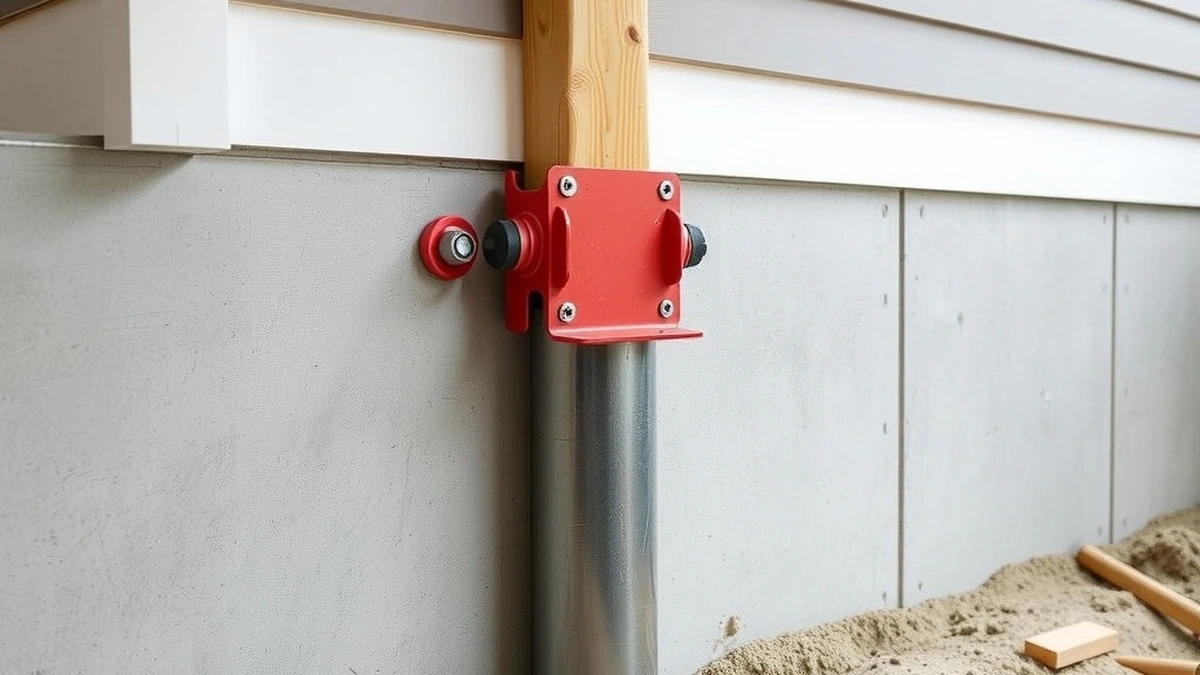
House leveling is the process of restoring a structure to a level or near-level elevation by lifting it and holding it at the corrected height. On a pier-and-beam house, contractors jack the beams and add or reset shims on the existing piers. On a slab or a house with failed footings, they install steel piers down to competent soil, attach brackets to the footing, and lift hydraulically.
Leveling is not the same as stabilization. Stabilization stops further movement. Leveling reverses some of the movement that has already happened, and it almost always includes stabilization as a prerequisite. A quote that promises leveling without addressing why the house moved is a quote for a repeat visit.
Cost by Method
| Method | Unit price | Best suited to |
|---|---|---|
| Push piers | $1,000 - $3,000 each | Heavier houses, deep bearing soil |
| Helical piers | $700 - $2,500 each | Lighter structures, tight access |
| Mudjacking | $3 - $8 per sq ft | Settled interior slabs, not structure |
| Polyurethane foam | $5 - $15 per sq ft | Slabs where weight is a concern |
Push piers are driven to refusal, so their cost rises with depth. A pier that reaches bearing at 25 feet costs more than one that reaches it at 12 feet, even at the same unit price, because more steel and more driving time go into it.
What Sets the Pier Count
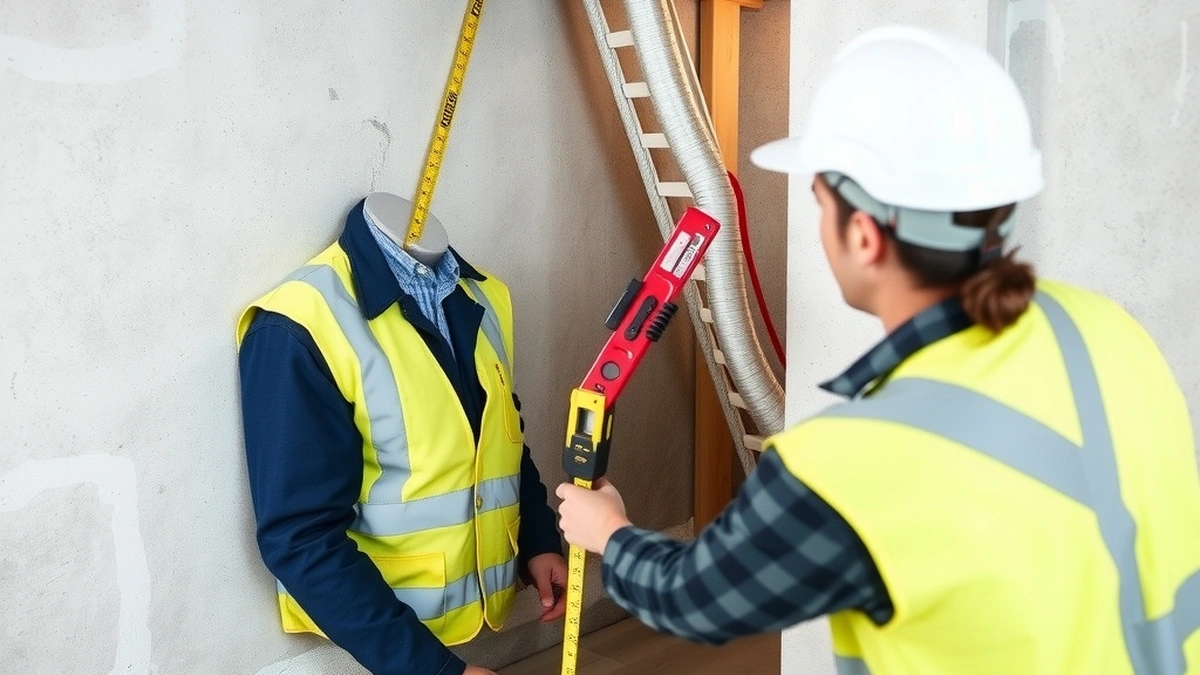
An engineer runs an elevation survey, usually with a Zip level or a laser, and records the difference between the high and low points of the floor. That contour map determines where piers go and how many are needed. Spacing along a wall is generally 6 to 10 feet, and every corner and every heavy load point gets one.
Crack width is the second measurement. A hairline crack at 1/16 inch is usually cosmetic. A crack at 1/8 inch is worth monitoring and documenting. Movement that reaches 2 inches is the practical limit for lifting without major structural repair, because the frame, plumbing, and cladding have all been distorted by that much displacement.
A Worked Example
Consider a 1,400 sq ft single-story house with a 44-foot rear wall that has settled 1.5 inches. The engineer specifies piers at 8-foot spacing along that wall:
44 ÷ 8 = 5.5, rounded up to 6 piers
At $1,800 per push pier:
6 × $1,800 = $10,800
Add the engineering inspection at $400 to $1,500 and interior restoration at 10% to 25% of structural cost:
$10,800 × 0.10 = $1,080 $10,800 × 0.25 = $2,700
All-in estimate: $12,280 to $15,000. That sits in the lower middle of the $6,000 to $30,000 band, which is where most single-wall jobs land. A house with three settled walls and a detached garage will approach the top of the band.
Leveling Versus Stabilizing
| Item | Leveling | Stabilization |
|---|---|---|
| Goal | Restore elevation | Stop movement |
| Typical cost | $6,000 - $30,000 | $4,000 - $20,000 |
| Interior damage | More | Less |
| Plumbing risk | Higher | Lower |
Lifting a house moves everything inside it. Supply lines, drain lines, gas piping, and electrical conduit all flex, and older galvanized or cast iron lines can crack during the lift. Stabilization without lifting carries less risk but leaves the floors out of level. The engineer’s report should state which one the structure can tolerate.
The Usual Sequence
- Get an engineering inspection with an elevation survey, not a free sales visit.
- Obtain the permit; local review typically takes 1 to 3 weeks.
- Excavate access trenches at each pier location and expose the footing.
- Install and drive piers to the specified depth or refusal.
- Lift in small increments, checking doors, windows, and plumbing as you go.
- Lock the lift, backfill, and schedule interior repairs after a settling period.
What to Check Before Signing
Ask how many piers are in the quote, what depth they are designed to reach, and what happens if they hit refusal early or late. A per-pier price with a stated count is comparable; a lump sum with no count is not. Confirm the warranty terms and the transfer fee, which commonly runs $100 to $500.
Depth is where most disputes start. If the design depth is 20 feet and the pier reaches refusal at 14, you should not be charged for steel that was never installed. If it reaches 28, the contractor should have a documented overrun rate per foot. Put that rate in the contract before excavation begins, because once the hole is open you have very little leverage to negotiate.
Also ask what the lift target is. Leveling to exactly zero is rarely the goal on a 60-year-old house; a common target is bringing the floor within an inch of level while avoiding damage to doors, windows, and plumbing. The engineer’s report should state the target and the tolerance, and the contract should repeat them.
Compare the leveling scope against the full repair cost picture and against pier and beam leveling pricing if your house sits on beams rather than a slab. If the quote includes slab injection instead of piers, read mudjacking cost first, because the two methods solve different problems at very different prices.
Frequently asked questions
How much does it cost to level a house?
Most pier-based leveling jobs run $6,000 to $30,000 depending on how many piers are needed, how deep bearing soil sits, and how much interior repair follows.
Is leveling the same as foundation repair?
No. Leveling restores elevation by lifting the structure; foundation repair stabilizes it. Many projects need both, which is why the scope should name each part separately.
How many piers does a house need?
Pier spacing is usually set at 6 to 10 feet along the affected wall by the engineer. A 40-foot wall at 8-foot spacing needs five or six piers.
Can I stay in the house during leveling?
Usually yes for pier work, which happens outside the footprint. Expect noise, dust, and some door and window binding during the lift itself.
Does leveling fix cracked drywall?
It stops new movement but does not close old cracks. Drywall, paint, and trim repairs are separate and often add 10% to 25% of the structural cost.
How long does leveling last?
A properly designed pier system reaching competent soil is typically warranted for the life of the structure, and the warranty is often transferable for a $100 to $500 fee.
Sources
Some links are affiliate links.If you buy through them we may earn a commission at no extra cost to you. We do not accept payment for rankings. Read the full disclosure.