What pier and beam leveling costs
How much it costs to level a pier and beam foundation, with estimates by method and scope.
Pier and beam leveling typically runs $6,000–$30,000 depending on pier count, method chosen, and whether you need crawl space encapsulation.
- Typical range
- Varies by system and site
- First step
- Measure the space and confirm the load
- Professional help
- Recommended for structural or electrical work
Some links on this page are affiliate links.If you buy through them we may earn a commission at no extra cost to you. We do not accept payment for rankings. Read the full disclosure.
What Pier and Beam Leveling Costs
Pier and beam leveling typically runs $6,000–$30,000 depending on how many piers are needed, which installation method you choose, and whether additional treatments like crawl space encapsulation are required. The range is wide because pier and beam homes vary enormously in size, soil conditions, and the severity of the sag or tilt. Below is a straightforward breakdown by method and scope so you can estimate your own project before calling contractors.
Why Pier and Beam Foundations Need Leveling
A pier and beam foundation rests on concrete piers that support a wooden or steel beam joist system. Over decades, soil settlement, hydrostatic pressure from water, frost heave, or poor drainage can push those piers sideways. The telltale signs are cracks wider than ⅛ inch in the beam framing, visible downward displacement of the floor joists, and doors that no longer close squarely. Engineers typically flag structural intervention when floor movement exceeds 2 inches across the span, or when cracks reach ⅛ inch or more on load-bearing walls. If the damage is limited to cosmetic hairline cracks under ⅛ inch, repair may only cost a fraction of a full leveling job.
Three Methods, Three Price Tiers
Foundation repair companies generally offer three approaches to leveling a pier and beam structure. Each has a different unit price and different job-total range.
Push piers are steel tubes driven through the footing into stable bearing soil. Each pier costs roughly $1,000–$3,000 installed, and a typical residential job needs four to twelve piers, bringing the job total to $6,000–$30,000. Push piers are the strongest option and often come with a lifetime transferable warranty, meaning you can sell the home without paying an additional transfer fee if the contractor offers one.
Helical piers use a rotating shaft that screws into bearing soil without large concrete footings. Each helical pier costs $700–$2,500, and because the installation is less forceful than driving steel tubes, labor is faster. A typical job still falls in the $6,000–$30,000 range, though some smaller repairs sit just above the low end. Helical piers are common in areas with loose fill or expansive clay soils where driving piers would compact the ground too much.
Mudjacking injects a cement-based slurry under the footing to lift it back into position. It is the cheapest per-square-foot option at $3–$8 per square foot, but the result is temporary rather than permanent. The mixture lasts 5–15 years before it shrinks or settles again, so homeowners who want long-term stability usually pair mudjacking with pier installation. A mudjacking-only job on a 1,200-square-foot crawl space might run $3,600–$9,600, while adding a full pier replacement pushes that same space into the $9,000–$27,000 range.
Choosing Between Methods
Method choice should follow soil conditions and budget, not marketing claims. Here is a simple decision framework.
- Inspect first. An engineer’s inspection costs $400–$1,500 and takes 1–2 weeks to schedule. This step is non-negotiable because the pier count, depth to bearing, and displacement measurements determine everything else.
- If soil is stable and the problem is mild, mudjacking may be sufficient for a temporary fix, or polyurethane foam injection ($5–$15 per square foot) can provide a lighter-duty lift.
- If soil is loose, expansive, or the piers have failed, helical or push piers are the durable solution. Push piers handle heavier loads and last longer, while helical piers are faster and less disruptive.
- If the structure also needs crawl space encapsulation, add $3–$8 per square foot, bringing a full job to $4,000–$15,000 for encapsulation alone on a typical 1,200-square-foot space.
Additional Treatments That Change the Total
Leveling is not always the whole story. After piers restore vertical alignment, several complementary treatments address secondary problems.
- Carbon fiber strapping ($400–$1,200 per strap) bonds to existing foundation walls to prevent future lateral movement. It is often used alongside pier installation on cantilevered foundations.
- Wall anchors ($500–$1,500 each) tie a leaning wall back to the footing or pier, similar to carbon fiber but with a threaded bolt. They are useful when the wall has moved more than 2 inches and cannot be corrected by re-leveling alone.
- Slab lifting ($3–$12 per square foot) addresses slab settlement beneath the house, which can contribute to pier and beam displacement.
- Crawl space encapsulation ($3–$8 per square foot; $4,000–$15,000 total job) seals the crawl space against moisture, which prevents new settlement cycles.
These additions can add 10–25% of the structural repair cost on top of the base leveling estimate.
Permits and Inspection Lead Time
Most cities and counties require a permit for pier and beam leveling, though the exact timeline varies. Typical permit processing takes 1–3 weeks. Engineer inspections add 1–2 weeks of lead time before work begins, so plan accordingly. Budgeting should include both the permit fee and the inspection cost in your overall estimate.
Warranty and Transfer Options
Push piers commonly carry a lifetime transferable warranty. Helical pier warranties vary by contractor, so ask explicitly before signing. If you plan to sell the home within a few years, a transferable warranty saves you from paying a $100–$500 transfer fee later. For any repair involving structural restoration, expect the warranty period to run 10–25% of the structural work’s life expectancy.
Estimating Your Own Project
Use this simple arithmetic to narrow your range once you have measured the situation yourself.
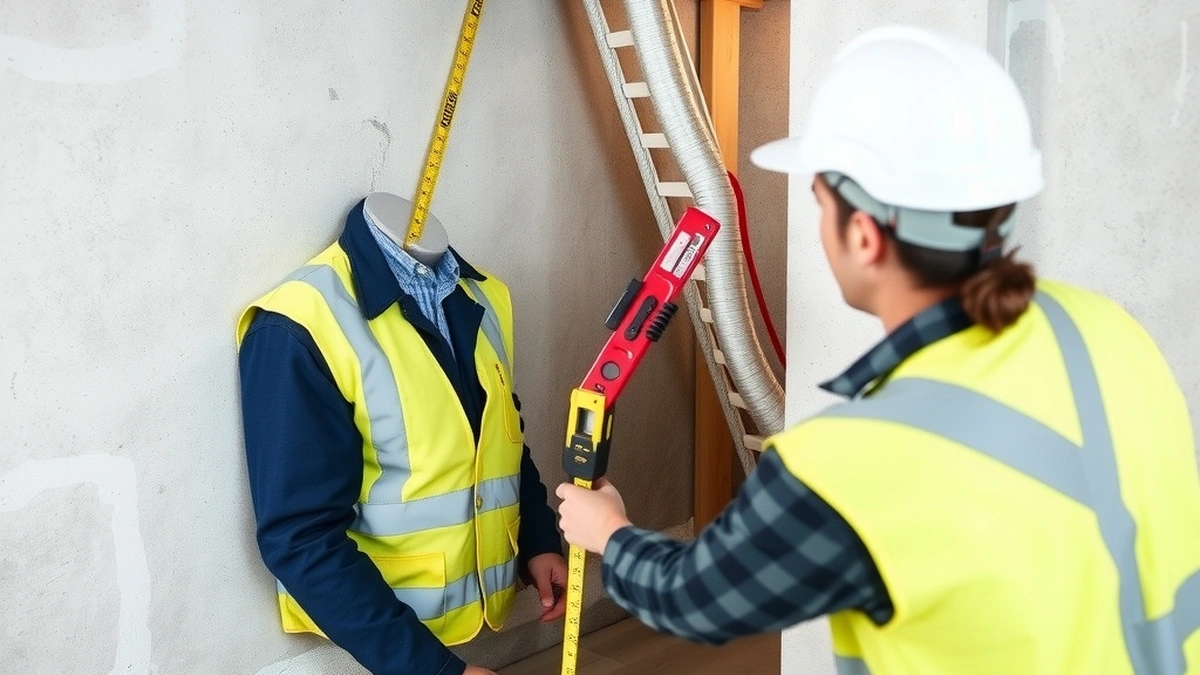
- Measure every visible crack in the beam framing. If any crack exceeds ⅛ inch, proceed with leveling.
- Measure floor displacement at three points along the joist span. If the maximum displacement exceeds 2 inches, structural intervention is warranted.
- Count the number of piers needed based on engineer findings. Multiply the pier count by the per-pier unit price for your method.
- Add $400–$1,500 for the engineer inspection.
- Add $3–$8 per square foot for crawl space encapsulation if moisture is a concern.
- Add $400–$1,500 for permits, factoring in 1–3 weeks of wait time.
With these numbers, you can land your estimate inside the $6,000–$30,000 pier and beam leveling range, plus or minus a few thousand dollars depending on method, scope, and local labor rates. Measure first, method second, price third. That is the Foundation Repair Lab approach.
This guide uses estimates based on industry data and does not constitute a contractor quote. Always get multiple bids and engineer input before committing to a repair.
Next, compare foundation repair cost, pier and beam foundation repair cost, foundation crack repair cost before you commit.
Frequently asked questions
What is the most important measurement?
Start with the ceiling or clearance number; it decides which systems can fit.
What does a typical project cost?
Costs vary by system and site access; the guide shows the line items and a planning range.
Can I install this myself?
Some tasks are DIY-friendly, but structural, electrical, and load-bearing work should be done by a licensed professional.
How long does installation take?
A simple setup is a weekend; a full build with electrical or structural work can take several weeks.
What should I check before buying?
Confirm dimensions, load ratings, and the manufacturer's installation requirements for your exact model.
Where can I find local help?
Ask a licensed contractor or installer who has worked with the same system and can inspect your site.
Sources
Some links are affiliate links.If you buy through them we may earn a commission at no extra cost to you. We do not accept payment for rankings. Read the full disclosure.