Footing vs Foundation: What's the Difference
A footing is the base that spreads building weight into soil; a foundation is the structure that rests on it. Learn how they differ and when each needs repair.
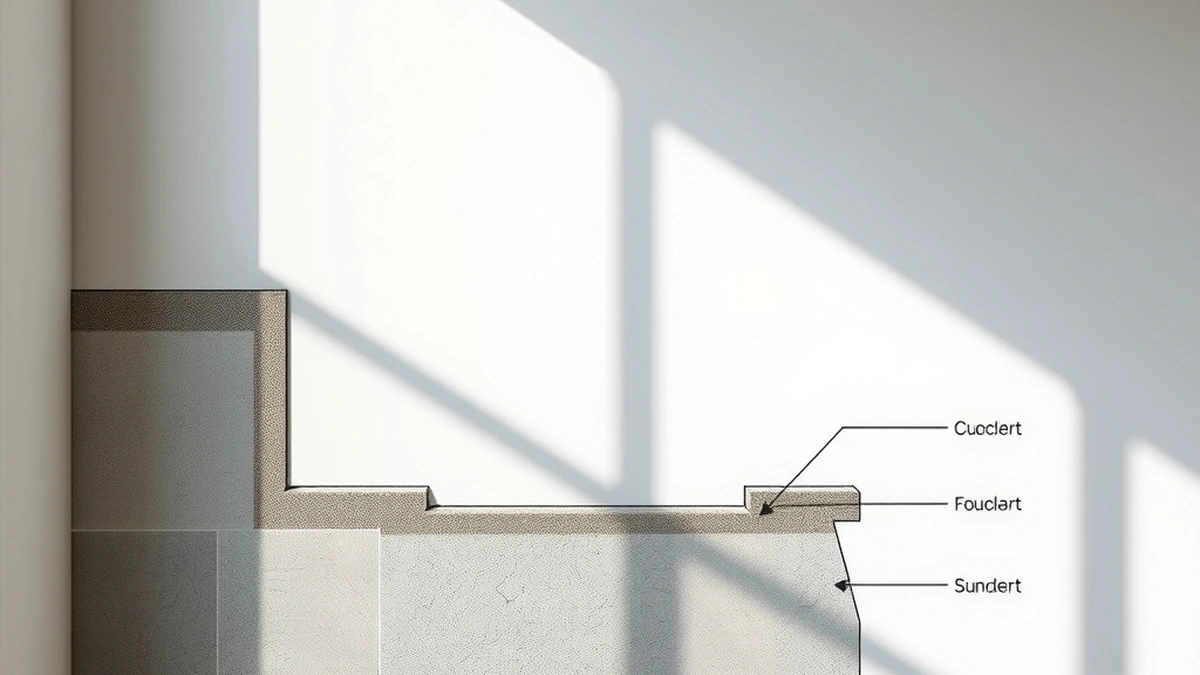
A footing is the concrete base that transfers building weight into the soil; a foundation is the wall or slab that sits on top of the footing and supports the structure.
- Footing purpose
- Distributes structural load to bearing soil
- Foundation purpose
- Supports walls, floors, and roof loads above grade
- Typical repair range
- $4,000–$15,000
- Engineer inspection
- $400–$1,500
Some links on this page are affiliate links.If you buy through them we may earn a commission at no extra cost to you. We do not accept payment for rankings. Read the full disclosure.
A footing is the concrete base that spreads a building’s weight into the soil. A foundation is the wall, slab, or pier system that sits on top of the footing and carries the structure above. They work together, but they are not the same component.
What Is a Footing?
A footing is the lowest structural element in most residential buildings. It is usually a poured concrete pad or continuous strip placed below grade. Its job is to take concentrated loads from foundation walls or columns and spread them across enough soil area so the ground does not shift or settle unevenly.
Footing size depends on soil bearing capacity and the weight above. A typical single-story home might bear 1,000 to 1,500 pounds per linear foot on a foundation wall. If the soil can safely support 2,000 pounds per square foot, a 12-inch-wide footing delivers 2,000 pounds per linear foot of bearing capacity, which covers that load. If the soil only supports 1,000 pounds per square foot, the footing may need to be 24 inches wide or deeper to reach better bearing material.
Footings are not visible once construction is finished. Inspectors evaluate them indirectly through foundation wall performance, floor elevation, and crack patterns.
What Is a Foundation?
The foundation is the structural system that transfers loads from the walls, floors, and roof down to the footing and then into the soil. Common residential types include poured concrete walls, concrete masonry unit (CMU) walls, slab-on-grade, and pier-and-beam systems.
A foundation wall might be 8 to 10 inches thick and extend from the top of the footing to the first-floor framing. In a slab-on-grade home, the slab itself is the foundation, often with thickened edges under load-bearing walls that function like footings.
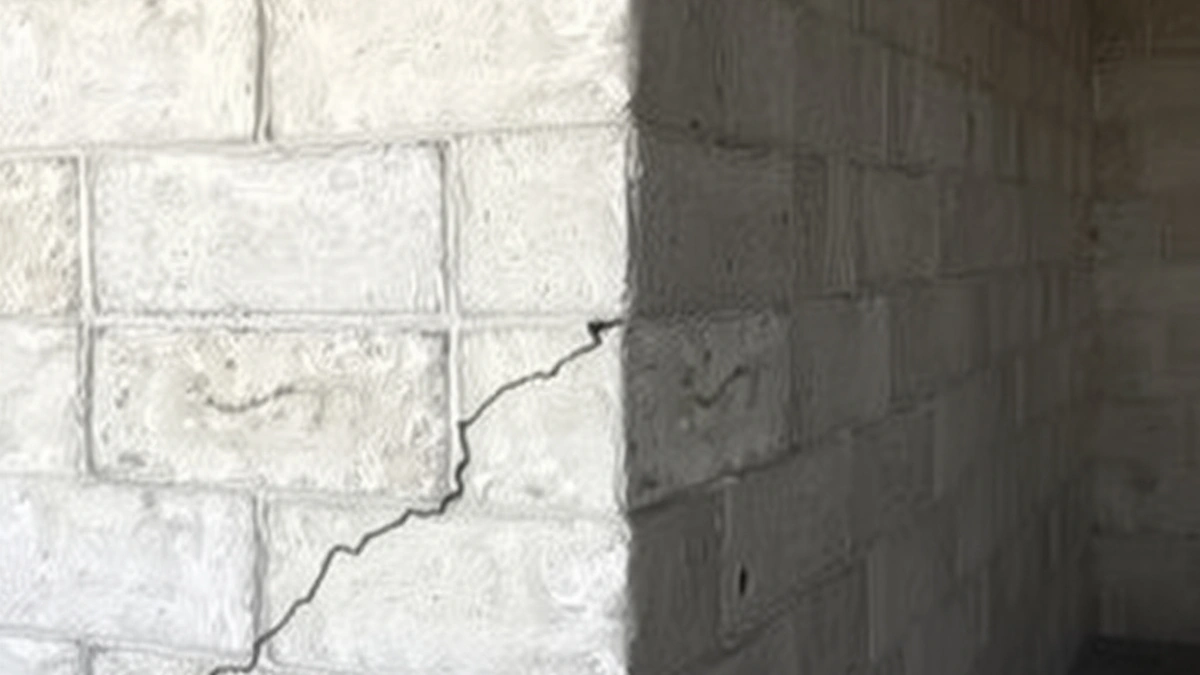
Because the foundation is closer to living space, problems show up sooner: drywall cracks, sticking doors, uneven floors, and visible wall cracks. Footing problems usually appear as foundation movement first.
Footing vs Foundation: Key Differences
| Feature | Footing | Foundation |
|---|---|---|
| Position | Below or at grade, lowest structural part | At or above grade, supports the structure |
| Primary job | Spread load into soil | Carry building loads to the footing |
| Visibility | Usually hidden after construction | Often visible in basements, crawl spaces, or at slab edges |
| Common materials | Poured concrete | Poured concrete, CMU, treated wood, steel piers |
| Repair access | Requires excavation or pier installation | Can be addressed with straps, anchors, or crack repair |
The simplest way to remember the distinction: the footing feeds the soil, and the foundation feeds the footing.
How Footings Support Foundations
Loads move in a sequence. Roof and floor loads travel through walls to the foundation. The foundation delivers those loads to the footing. The footing spreads them over a wider area of soil.
If the footing is undersized or rests on soft soil, the foundation can settle even if the foundation wall itself is sound. In that case, repairing the foundation wall without addressing the footing or soil support treats the symptom, not the cause.
Pier installation illustrates this relationship. A push pier or helical pier is advanced beside or beneath the existing footing until it reaches bearing soil or bedrock. The foundation load is then transferred through the pier rather than through the original footing soil.
Pricing examples are estimates and vary by site:
- Push pier: $1,000–$3,000 each. A job using 10 piers costs roughly $10,000–$30,000, within the typical pier job range of $6,000–$30,000.
- Helical pier: $700–$2,500 each. A job using 8 piers costs roughly $5,600–$20,000.
These figures show why identifying whether the problem is in the footing, foundation, or soil matters before choosing a repair method.
When Repairs Target Footings vs Foundations
Not every crack means the footing has failed. Measurement comes first.
- Hairline cracks up to 1/16 inch are commonly cosmetic in concrete.
- Cracks around 1/8 inch warrant monitoring.
- Lateral wall movement beyond 2 inches often indicates a more serious structural condition.
If a foundation wall cracks but the floor remains level, the repair may target the foundation wall only. Carbon fiber straps cost $400–$1,200 each, and wall anchors cost $500–$1,500 each. These methods reinforce the foundation without excavating the footing.
If floors slope or the foundation is dropping, the issue may be footing or soil support. Slab lifting with mudjacking costs $3–$8 per square foot, while poly foam lifting costs $5–$15 per square foot. For a 500-square-foot slab section, mudjacking runs about $1,500–$4,000 and poly foam about $2,500–$7,500. These numbers are estimates; actual pricing depends on access, material volume, and local labor rates.
When settlement is deep or widespread, piers are installed to bypass weak footing soil. A full pier job commonly lands between $6,000 and $30,000. Total foundation repair averages $4,000–$15,000, while major structural work can reach $20,000–$40,000. Full replacement ranges from $40,000–$150,000 and is generally considered only when more than one-third of the structure has failed or repair is no longer practical.
Cost Context for Common Repairs
Repair costs follow the component being fixed, not just the symptom. The table below shows estimated ranges for methods that may apply to footing or foundation issues.
| Repair method | Estimated cost | Typical target |
|---|---|---|
| Engineer inspection | $400–$1,500 | Diagnosis of footing vs foundation |
| Carbon fiber strap | $400–$1,200 each | Foundation wall cracks |
| Wall anchor | $500–$1,500 each | Foundation wall movement |
| Mudjacking | $3–$8 per sq ft | Slab or footing-supported slab |
| Poly foam lifting | $5–$15 per sq ft | Slab or footing-supported slab |
| Push pier | $1,000–$3,000 each | Footing or soil settlement |
| Helical pier | $700–$2,500 each | Footing or soil settlement |
| Crawl space encapsulation | $3–$8 per sq ft; $4,000–$15,000 job | Moisture protection, not structural repair |
Warranty terms also differ by method. Pier warranties are commonly lifetime and transferable, though transfer fees run $100–$500. Mudjacking typically carries a 5–15 year life estimate. Permit timelines vary by city and county and typically take 1–3 weeks. Inspection lead time is usually 1–2 weeks.
How to Measure Before Choosing a Method
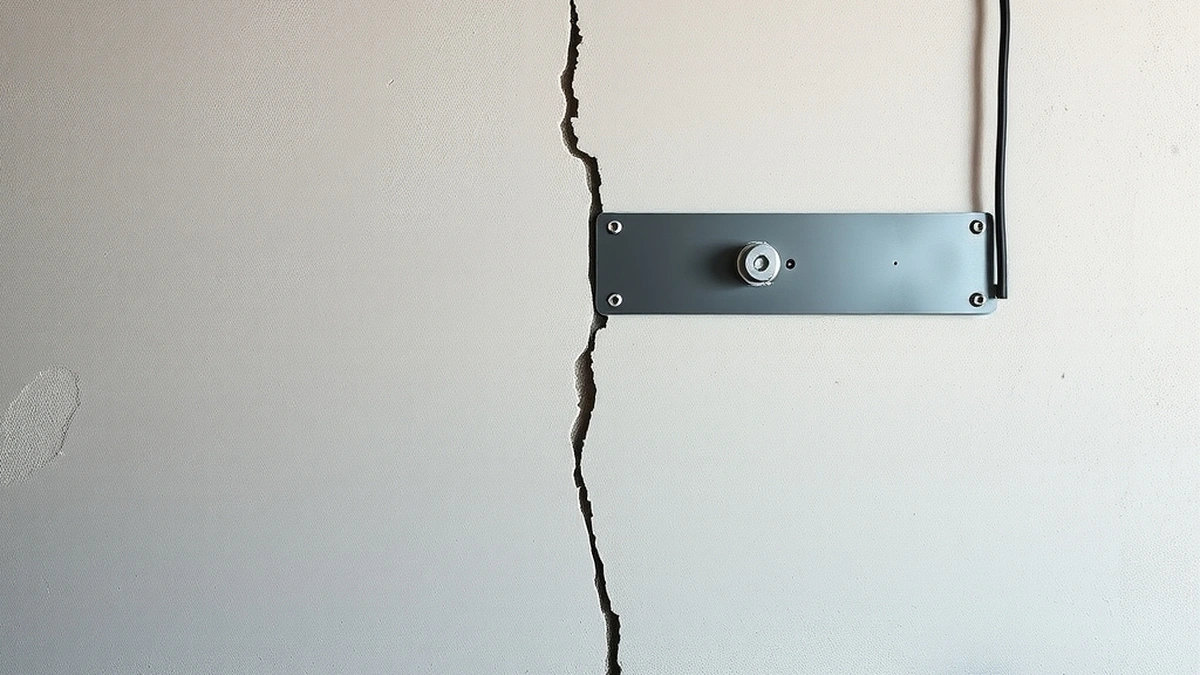
Start with crack width and displacement. Use a crack gauge or feeler gauge to record the width at the widest point. Mark the ends of the crack with a pencil and date, then check again after 30 to 60 days. If the crack grows or if adjacent floors show elevation changes, the issue may be structural rather than cosmetic.
Measure interior floor elevation with a level or laser. A slope of 1 inch over 20 feet may be acceptable in older construction, but steeper or worsening slopes justify an engineer inspection. Record door and window operation, because racking often appears before visible cracks.
If the problem is isolated to a foundation wall crack with no movement, carbon fiber or epoxy repair may be sufficient. If the footing or bearing soil is settling, piers are usually the appropriate method. An engineer inspection costs $400–$1,500 and helps avoid paying for the wrong repair.
Replacement is rarely the first step. It is generally considered when structural damage exceeds about one-third of the foundation or when repeated repairs fail to stabilize movement. Most homes fall within the average repair range of $4,000–$15,000 once the correct component is identified.
Measure first, method second, price third. Knowing whether the load path problem sits in the footing or the foundation determines which repair applies and what it will cost.
Next, compare foundation repair cost, pier and beam foundation repair cost, foundation crack repair cost before you commit.
Frequently asked questions
Is a footing part of the foundation?
Yes. In most residential construction, the footing is the lowest structural component and is considered part of the complete foundation system.
Can you repair a foundation without touching the footing?
Yes. Crack injection, carbon fiber straps, and wall anchors often address foundation walls while the footing remains undisturbed.
How wide should a footing be?
Footing width depends on soil bearing capacity and structural load; there is no universal width, and an engineer or local code determines the required size.
Do piers go into the footing or the foundation?
Push and helical piers are typically installed beside or beneath the existing footing to transfer load to deeper bearing soil.
Is a slab a foundation or a footing?
A slab-on-grade can act as both the foundation and, in some designs, the footing, with thickened edges serving as the footing under load-bearing walls.
Who determines if a footing has failed?
A structural engineer or qualified inspector evaluates footing performance using crack measurements, elevation surveys, and soil observations.
Sources
Some links are affiliate links.If you buy through them we may earn a commission at no extra cost to you. We do not accept payment for rankings. Read the full disclosure.