Slab Lifting Cost: Foam vs Slurry Comparison
Compare slab lifting cost for polyurethane foam and slurry mudjacking, with price per square foot, lifespan, and load factors.
Slab lifting costs $3 to $12 per square foot. Slurry mudjacking runs $3–$8; polyurethane foam runs $5–$15. Foam costs more per square foot but typically lasts longer and adds less weight.
- Slurry / mudjacking
- $3–$8 per sq ft
- Polyurethane foam
- $5–$15 per sq ft
- Overall slab lifting range
- $3–$12 per sq ft
- Typical inspection fee
- $400–$1,500
Some links on this page are affiliate links.If you buy through them we may earn a commission at no extra cost to you. We do not accept payment for rankings. Read the full disclosure.
Slab lifting typically costs between $3 and $12 per square foot. Slurry mudjacking falls at the lower end, around $3 to $8 per square foot, while polyurethane foam runs about $5 to $15 per square foot. The right method depends on slab weight, soil conditions, and how long you need the repair to last.
How Slab Lifting Is Priced
Contractors price slab lifting by the square foot of slab being raised, not by the hour. The total job cost equals the square footage multiplied by the material rate, plus any minimum charge, travel, or patching fees.
For example, lifting a 20-foot by 20-foot garage slab covers 400 square feet. At $4 per square foot for slurry, the material cost is $1,600. At $9 per square foot for foam, the material cost is $3,600. Those figures are estimates and do not include inspection, permits, or crack repair.
A standard engineer inspection costs $400 to $1,500. Permit timing varies by city and county, typically taking 1 to 3 weeks. Inspection lead time is usually 1 to 2 weeks.
Slurry Mudjacking: Cost and Tradeoffs
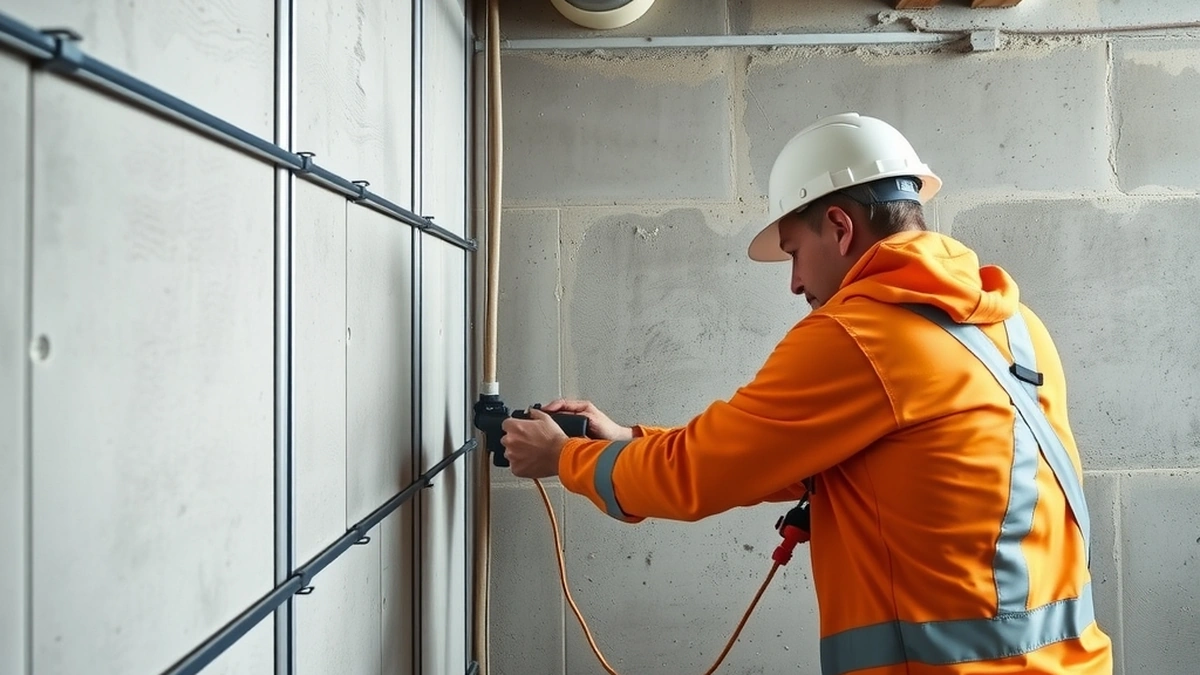
Slurry mudjacking pumps a mixture of cement, soil, and water through holes drilled in the slab. The mixture fills voids and raises the concrete as it hardens.
The typical price is $3 to $8 per square foot. Using the same 400-square-foot example, the job ranges from $1,200 to $3,200 before patching and inspection.
Slurry adds significant weight to the soil beneath the slab. A cubic foot of cured slurry can weigh roughly 100 to 120 pounds. On weak or compressible soil, that added load can cause renewed settlement over time. The expected service life is commonly estimated at 5 to 15 years, though actual performance depends on drainage and soil stability.
Holes for slurry are typically larger than those for foam, and the patching is more visible. Slurry is also slower to cure, often requiring 24 to 48 hours before the slab can carry normal loads.
Polyurethane Foam: Cost and Tradeoffs
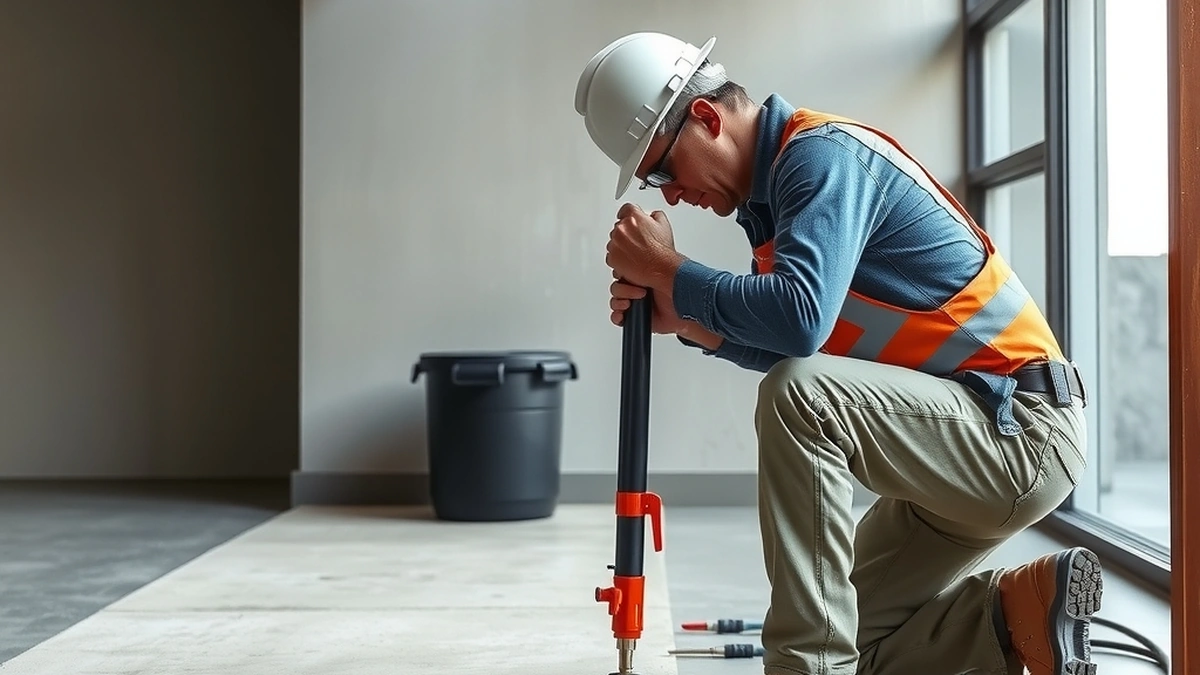
Polyurethane foam lifting injects a two-part expanding resin through small holes, usually about 5/8 inch in diameter. The foam expands, compacts the soil, and lifts the slab.
The typical price is $5 to $15 per square foot. For a 400-square-foot slab, the range is $2,000 to $6,000 before patching and inspection.
Foam weighs only about 2 to 4 pounds per cubic foot, so it adds minimal load to the soil. It cures quickly, often allowing traffic within 15 to 30 minutes. The small holes are easier to conceal. Expected life is generally estimated at 10 years or more, though site conditions determine actual durability.
Foam costs more per square foot than slurry. On very large slabs, that price gap becomes significant. A 1,000-square-foot basement slab at $6 per square foot for slurry costs $6,000, while foam at $11 per square foot costs $11,000—a $5,000 difference before other job costs.
Side-by-Side Cost Table
| Factor | Slurry mudjacking | Polyurethane foam |
|---|---|---|
| Price per sq ft | $3–$8 | $5–$15 |
| 400 sq ft estimate | $1,200–$3,200 | $2,000–$6,000 |
| Material weight | Heavy (~100–120 lb/cu ft) | Light (~2–4 lb/cu ft) |
| Cure time | 24–48 hours typical | 15–30 minutes typical |
| Hole size | Larger | About 5/8 inch |
| Expected life | 5–15 years | 10+ years estimate |
These are estimates. Actual quotes vary by region, access, slab thickness, and how much lifting is required.
When to Choose Slurry
Slurry makes sense when cost is the primary constraint and the soil can support the added weight. It is often used for driveways, garage slabs, and patio sections where appearance is less critical and the slab is not bearing heavy concentrated loads.
If the slab is part of a larger foundation showing structural distress, lifting alone may not address the root cause. In those cases, a foundation repair cost assessment should include pier options. Push piers cost $1,000 to $3,000 each, and helical piers cost $700 to $2,500 each, with full pier jobs ranging from $6,000 to $30,000.
When to Choose Foam
Foam is preferable when the slab sits on weak soil, when fast cure time matters, or when large, visible holes are undesirable. It is also the better choice when the slab cannot tolerate the weight of cementitious grout.
The higher per-square-foot price is the main drawback. For very large areas, the total can approach the cost of more extensive repairs, so it is worth comparing against pier systems or slab replacement. Full slab replacement runs $40,000 to $150,000, while major structural repairs average $20,000 to $40,000.
Inspection and Measurement First
Before selecting a method, measure crack width and displacement. Cracks under 1/16 inch are generally cosmetic. Cracks near 1/8 inch warrant monitoring. Wall movement beyond 2 inches usually indicates a more serious structural issue.
An engineer inspection costs $400 to $1,500 and helps determine whether lifting is appropriate or whether piers are needed. Measuring first, choosing method second, and pricing third avoids paying for a treatment that does not match the problem.
For related cost detail, see our guides on mudjacking cost, helical pier cost, and push pier cost.
Bottom Line
Slab lifting costs $3 to $12 per square foot overall. Slurry costs $3 to $8 per square foot and is cheaper but heavier and shorter-lived. Foam costs $5 to $15 per square foot, weighs far less, cures faster, and typically lasts longer. Get an inspection, measure the movement, and compare quotes for both methods before signing a contract.
Next, compare foundation repair cost, pier and beam foundation repair cost, foundation crack repair cost before you commit.
Frequently asked questions
What is the average slab lifting cost?
Slab lifting generally falls between $3 and $12 per square foot, depending on method, access, and regional labor rates.
Is foam or slurry cheaper per square foot?
Slurry mudjacking is cheaper at $3–$8 per square foot versus $5–$15 for polyurethane foam.
How long does mudjacking last?
Mudjacking typically lasts 5 to 15 years, depending on soil conditions and drainage.
How long does foam lifting last?
Polyurethane foam lifting is generally expected to last 10 years or more, though exact life varies by site conditions.
Do I need a structural engineer before lifting a slab?
An engineer inspection costs $400–$1,500 and is recommended when movement exceeds cosmetic limits or the cause is unclear.
Can slab lifting fix structural foundation failure?
Slab lifting restores levelness but does not replace piers; structural issues may require push or helical piers at $6,000–$30,000 per job.
Sources
Some links are affiliate links.If you buy through them we may earn a commission at no extra cost to you. We do not accept payment for rankings. Read the full disclosure.