How Much Does Foundation Repair Cost in 2026?
Typical foundation repair runs $4,000 to $15,000, with major work at $20,000 to $40,000. See the price by symptom, method, and region.
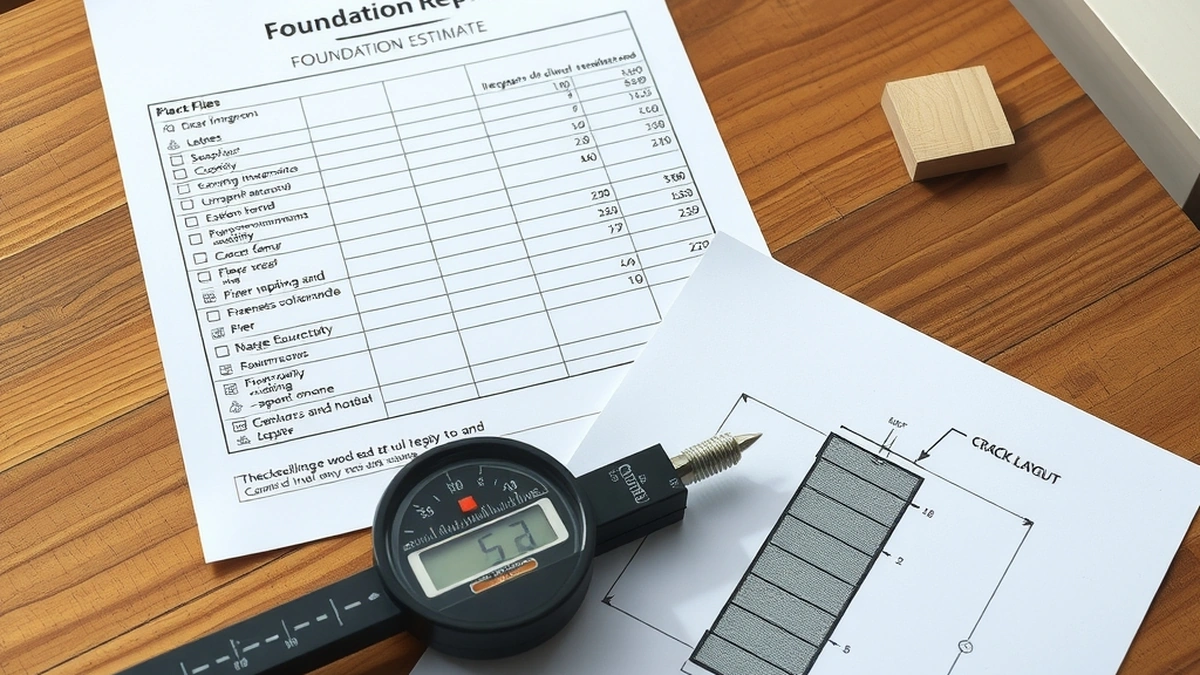
Foundation repair costs $4,000 to $15,000 for most homes, $20,000 to $40,000 for major structural work, and $40,000 to $150,000 for replacement. Piers run $700 to $3,000 each and engineering adds $400 to $1,500.
- Typical repair
- $4,000 - $15,000
- Major repair
- $20,000 - $40,000
- Push pier each
- $1,000 - $3,000
- Helical pier each
- $700 - $2,500
- Engineering report
- $400 - $1,500
Some links on this page are affiliate links.If you buy through them we may earn a commission at no extra cost to you. We do not accept payment for rankings. Read the full disclosure.
Foundation repair costs $4,000 to $15,000 for most homes, and that range covers several piers, a crack repair, or a drainage correction. Major structural work runs $20,000 to $40,000, and full replacement runs $40,000 to $150,000. The single largest price driver is not the crack you can see; it is how many piers the engineer specifies and how deep they must go.
Price by Symptom
| Symptom | Likely repair | Cost |
|---|---|---|
| Hairline crack, no movement | Monitoring or injection | $0 - $1,200 |
| Leaking vertical crack | Polyurethane injection | $400 - $1,200 |
| One settled corner | 4 to 8 piers | $6,000 - $20,000 |
| Bowing block wall | Anchors or straps | $4,000 - $15,000 |
| Sloping floor, sticking doors | Leveling with piers | $6,000 - $30,000 |
| Crumbling foundation | Replacement | $40,000 - $150,000 |
The table is a starting point for a conversation, not a quote. A settled corner on a 1,200 sq ft ranch and a settled corner on a 3,000 sq ft two-story are different jobs with different pier counts.
Price by Method
Push piers run $1,000 to $3,000 each and helical piers run $700 to $2,500 each. A full pier job commonly lands at $6,000 to $30,000. Wall anchors run $500 to $1,500 each, carbon fibre straps run $400 to $1,200 each, and slab lifting runs $3 to $12 per sq ft.
Those unit prices are the building blocks. A quote is the count times the unit price plus engineering, permits, mobilization, and restoration. If a contractor cannot break the price into those parts, the total is not verifiable.
The Arithmetic of a Real Job
A 1,700 sq ft house needs seven push piers at $2,100 each:
7 × $2,100 = $14,700
Add engineering at $900, a permit at $300, and interior restoration at 10% to 25% of structural cost:
$14,700 × 0.10 = $1,470 $14,700 × 0.25 = $3,675
All-in: $17,370 to $19,575. That sits at the top of the typical band and just below the major-repair threshold, which is exactly where a seven-pier job belongs.
A smaller example: three helical piers at $1,400 each:
3 × $1,400 = $4,200
With engineering at $700 and no interior restoration, the total is $4,900, at the bottom of the typical band.
What Moves the Number
Depth is first. A pier priced at $2,000 assumes a typical depth; if bearing soil sits at 30 feet instead of 15, the steel and driving time double. Ask what depth the price includes and what the overrun rate is per foot.
Access is second. A wall with clear exterior space is cheap to reach. A wall behind a deck, a fence, or mature landscaping adds removal and restoration. Interior work in a finished basement adds floor and finish repairs.
Region is third. Labor rates, permit fees, and soil conditions vary enough that the same scope can differ by 30% or more between markets. A coastal market with deep fill and high labor will sit at the top of every band.
National Averages Versus Your House
A national average is a summary of many houses, none of which is yours. Use it to sanity-check a bid, not to budget the job. If your bid is far outside the band, either the scope is unusual or something is missing, and both are worth asking about before signing.
The honest way to budget is: engineer’s report first, then three bids on that report, then a 10% to 25% contingency for restoration and the surprises that excavation always finds.
How to Get a Comparable Price
- Measure your cracks and record floor elevations before calling anyone.
- Pay for an independent engineer’s report at $400 to $1,500.
- Send the same report to three contractors and require bids against it.
- Ask each for pier count, spacing, design depth, and exclusions.
- Compare the all-in totals, including restoration and permit fees.
- Negotiate the overrun rate and payment schedule before signing.
Where the Money Goes
Most of a foundation invoice is labor, steel, and equipment. Push pier steel, brackets, and hydraulic driving equipment account for a large share of the per-pier price, and the crew’s time is the rest. Concrete, injection resin, and anchor hardware are comparatively small line items.
Mobilization is the line homeowners overlook. Getting a crew, a hydraulic rig, and a stock of steel to the house costs the same whether the job is three piers or twelve, which is why small jobs carry a larger share of fixed cost and why the per-pier price falls as the count rises. A contractor quoting three piers at $2,600 each and twelve at $1,800 each is not being inconsistent; the second job spreads the same mobilization over four times the work.
That is also why pier count dominates the total and why a discount usually means fewer piers rather than cheaper steel. When a bid is 30% below the others, count the piers first, then check the design depth, then check whether engineering is included. The answer is almost always in one of those three numbers.
One more comparison is worth making before you sign. Ask each contractor for the warranty document and read the exclusions side by side. Two bids that look identical in price can differ enormously in what happens if the foundation moves again in five years, and that difference does not appear in any line item of the invoice.
For the detailed method comparison, read foundation repair cost and pier and beam foundation repair cost. If the engineer is recommending a new foundation, foundation replacement cost explains the other end of the range.
Frequently asked questions
How much does foundation repair cost on average?
Most homeowners pay $4,000 to $15,000. That covers several piers, crack repair, or drainage work. Major structural repairs run $20,000 to $40,000, and replacement runs $40,000 to $150,000.
What is the cheapest foundation repair?
Crack injection at $400 to $1,200 and drainage corrections are the least expensive options. They are appropriate for stable, leaking cracks and for movement caused by surface water.
Why do foundation repair quotes vary so much?
Scopes vary. One bid may include eight piers and engineering, another four piers and no engineering. Normalise the pier count, design depth, and inclusions before comparing totals.
Does foundation repair cost more in some states?
Yes. Labor rates, soil conditions, permit fees, and pier depth all vary by region, so the same scope can differ by 30% or more between markets.
Is foundation repair covered by insurance?
Usually not for settlement or maintenance-related movement. Sudden events such as a burst pipe may be covered. Read the exclusions page of your policy before filing.
Can I finance foundation repair?
Yes. Home equity lines, contractor payment plans, and specialty improvement loans are the common routes. Compare the annual percentage rate rather than the monthly payment.
Sources
Some links are affiliate links.If you buy through them we may earn a commission at no extra cost to you. We do not accept payment for rankings. Read the full disclosure.