Foundation Inspection Cost: Engineer vs Contractor
Compare structural engineer and foundation contractor inspection fees, what each includes, and how to choose based on crack width and movement.

A structural engineer inspection typically costs $400–$1,500, while many foundation contractors offer free visual inspections but charge for detailed reports or pier designs.
- Structural engineer inspection
- $400–$1,500
- Contractor visual inspection
- Often free; detailed reports may cost extra
- Typical lead time
- 1–2 weeks
- Permit timeline
- Varies by city and county; typically 1–3 weeks
Some links on this page are affiliate links.If you buy through them we may earn a commission at no extra cost to you. We do not accept payment for rankings. Read the full disclosure.
A structural engineer foundation inspection typically costs $400–$1,500, while many foundation contractors provide free visual inspections and charge only for detailed reports or repair designs. The right choice depends on whether you need an independent diagnosis or a repair bid. Measure the crack width and displacement first, then decide who should interpret those numbers.
What Each Inspection Covers
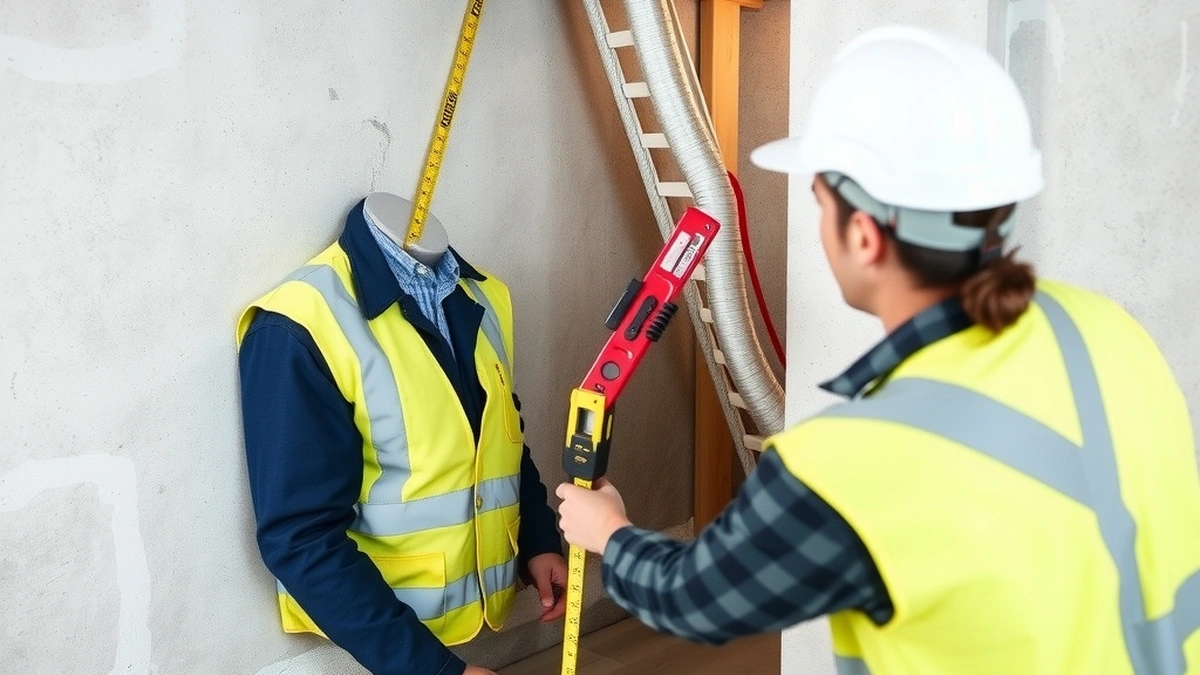
A structural engineer inspection focuses on diagnosis and impartiality. The engineer reviews visible foundation elements, measures crack width and displacement, records floor elevations where accessible, and issues a written report. That report can support insurance claims, disclosure requirements, or repair specifications. Engineer inspection fees fall in the $400–$1,500 range, depending on square footage, foundation type, and regional labor rates.
A contractor inspection focuses on repair scope. The contractor identifies symptoms such as sticking doors, uneven floors, or stair-step cracking and proposes a repair method, often piers, slab lifting, or wall stabilization. The visit itself is commonly free because the contractor hopes to win the repair job. If you want a written scope, elevation drawing, or stamped plan, the contractor may charge a separate fee.
When to Hire an Engineer
Hire a structural engineer when the situation requires an objective third party. Common reasons include:
- Documenting foundation movement before buying or selling a home
- Supporting an insurance claim for structural damage
- Resolving a dispute between homeowner and contractor
- Determining whether cracks are active or stable
- Obtaining a repair specification to bid to multiple contractors
Engineers do not perform repairs, so their incentive is to describe the condition rather than sell a specific product. If crack width exceeds 1/8 inch or wall movement approaches the 2-inch limit commonly used as a reference point, an engineer can help decide whether repair, monitoring, or replacement is appropriate.
When to Hire a Contractor
Hire a foundation contractor when you already know repairs are likely and want pricing and scheduling. Contractors can measure crack width, count piers, estimate depth to bearing soil, and quote unit prices. For example, a push pier installation might cost $1,000–$3,000 per pier, while a helical pier might cost $700–$2,500 per pier. A full pier job often lands between $6,000 and $30,000 depending on pier count and site conditions.
Contractors are also the right call for targeted repairs such as carbon fiber straps ($400–$1,200 per strap) or wall anchors ($500–$1,500 each). If the issue is a settled slab rather than a foundation wall, slab lifting runs roughly $3–$12 per square foot, and mudjacking runs $3–$8 per square foot. Polyurethane foam injection typically costs $5–$15 per square foot.
Cost Comparison at a Glance
| Item | Structural Engineer | Foundation Contractor |
|---|---|---|
| Typical inspection fee | $400–$1,500 | Often free; detailed reports may cost extra |
| Primary output | Written condition report | Repair proposal and price |
| Performs repairs | No | Yes |
| Best use case | Independent diagnosis, claims, disputes | Repair scope, bids, scheduling |
| Typical lead time | 1–2 weeks | 1–2 weeks |
These figures are estimates. Actual prices vary by city, county, foundation type, and accessibility. Permit requirements also vary by city and county and typically take 1–3 weeks once an application is submitted.
How Inspection Fees Fit Into Repair Budgets
Foundation repair costs add up quickly, so an inspection fee is a small fraction of the total project. Average foundation repair runs $4,000–$15,000. Major structural work can reach $20,000–$40,000, and full foundation replacement may cost $40,000–$150,000. Spending $400–$1,500 on an engineer’s report can prevent paying for the wrong repair method.
For example, if a contractor recommends eight push piers at $1,000–$3,000 each, the pier material and installation alone could cost $8,000–$24,000, within the typical $6,000–$30,000 pier job range. An engineer’s report confirming that eight piers are necessary—and at what depth to bearing—protects you from over- or under-piering the structure.
Some contractors will credit an inspection or design fee toward a signed repair contract. Engineers usually do not credit fees because their work is independent of the repair bid. Ask before scheduling so there are no surprises on the final invoice.
What the Numbers Mean
Measure first, method second, price third. A crack under 1/16 inch is generally considered cosmetic. Cracks around 1/8 inch enter a watch category and merit monitoring over time. Lateral wall movement up to 2 inches is often cited as a general reference limit, though every foundation behaves differently based on soil type, drainage, and construction details.
If repairs are needed, pier count and depth to bearing drive cost more than the inspection fee. A home needing ten helical piers at $700–$2,500 each faces a pier cost of $7,000–$25,000 before excavation, permits, or finishing work. Add the typical pier job range of $6,000–$30,000 for context, and compare that to average repair costs of $4,000–$15,000 or major repair costs of $20,000–$40,000.
Choosing the Right Inspector
Start by measuring what you can see: crack width in inches, any displacement, and whether doors or windows bind. Then match the professional to the goal.
Use an engineer when you need documentation, an unbiased opinion, or a repair specification to shop among contractors. Use a contractor when you want a repair plan and price and are comfortable that the inspector may also be the bidder. In some cases, homeowners hire an engineer for the diagnosis, then take the report to two or three contractors for competing bids.
Inspection lead time is typically 1–2 weeks for either option. If you are on a real estate closing timeline or insurance deadline, schedule early. Permit timelines vary by city and county, typically 1–3 weeks, so factor that into repair scheduling after the inspection is complete.
Getting Started
Foundation inspection cost is not the largest number in a repair project, but it shapes every number that follows. An engineer’s $400–$1,500 fee buys independence. A contractor’s free visual inspection buys access to repair pricing. Know which one you need before you book the visit.
For more on repair pricing, see our breakdowns of foundation repair cost, pier and beam foundation repair cost, and foundation crack repair cost. If your project involves slab settlement, mudjacking cost and helical pier cost provide additional unit-price context.
Next, compare foundation repair cost, pier and beam foundation repair cost, foundation crack repair cost before you commit.
Frequently asked questions
How much does a foundation inspection cost?
A structural engineer inspection typically runs $400–$1,500 depending on home size, location, and report depth. Contractor visual inspections are often free, but detailed evaluations or repair designs may carry a fee.
Should I hire an engineer or a contractor first?
Start with an engineer if you need an impartial diagnosis or are documenting damage for insurance or resale. Start with a contractor if you already know you need repair work and want a repair bid.
What does a structural engineer inspection include?
It generally includes a visual review, crack width and displacement measurements, floor-level readings, and a written report with observations and repair recommendations.
Are contractor inspections really free?
Many contractors offer free visual inspections to generate repair leads. Detailed reports, elevation surveys, or stamped engineering plans are usually billed separately.
How long does it take to schedule an inspection?
Inspection lead time is typically 1–2 weeks, though scheduling varies by local demand and inspector availability.
Do inspection fees apply toward repair costs?
Some contractors credit inspection or design fees toward a signed repair contract; engineers usually do not because their role is independent assessment.
Sources
Some links are affiliate links.If you buy through them we may earn a commission at no extra cost to you. We do not accept payment for rankings. Read the full disclosure.